Top Tips for Finding a Reliable Plumber Near Me
Understanding the Need for a Plumber Near Me
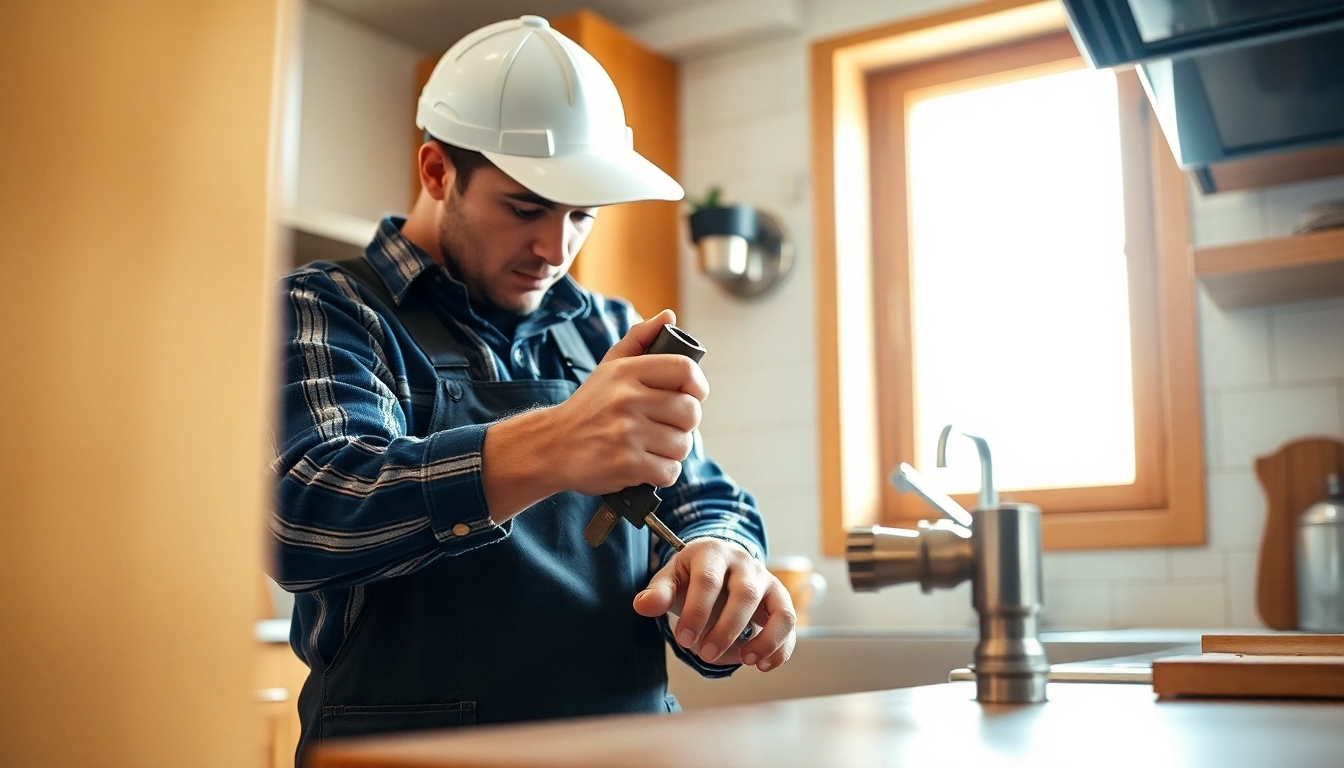
When unexpected plumbing issues arise in our homes, finding a Plumber near me becomes essential for managing and resolving these dilemmas. Plumbing problems can escalate quickly, leading to significant damage and expensive repairs. Understanding why and when to call a local plumber can save homeowners time, stress, and money in the long run. This section outlines common issues faced by homeowners, the importance of prompt plumbing services, and how to identify qualified plumbers in your area.
Common Plumbing Issues Faced by Homeowners
Homeowners often encounter a variety of plumbing issues that necessitate the assistance of a plumber. Some common problems include:
- Leaky faucets and pipes: Minor leaks can lead to significant water waste and increased utility bills if not addressed.
- Clogged drains: Clogs can result from hair, grease, or other debris, affecting the functionality of sinks, bathtubs, and toilets.
- Running toilets: This issue can waste gallons of water and signifies a need for repair or replacement of components.
- Water heater issues: Problems such as inconsistent water temperatures can impact daily activities and require immediate attention.
- Pipe bursts: Severe weather or aging pipes can lead to catastrophic failures, causing extensive property damage.
Importance of Prompt Plumbing Services
When plumbing issues arise, timing is critical. Delaying repairs can exacerbate the problem, leading to further damage and increased repair costs. Here are a few reasons why prompt plumbing services are essential:
- Preventing water damage: Quick intervention can mitigate the risk of water damage to walls, floors, and foundational structures.
- Reducing health risks: Leaky pipes can create mold and mildew, posing health hazards to you and your family.
- Preserving property value: Keeping your plumbing system in good condition can maintain or increase the value of your home.
How to Identify Qualified Local Plumbers
Identifying a dependable plumber involves careful consideration. Homeowners should look for the following qualifications:
- Licensing: Ensure the plumber is licensed, as this indicates they meet specific professional standards.
- Insurance: Proper insurance protects you from liabilities during repairs or installation.
- Experience: A plumber with substantial experience is more likely to solve complex issues efficiently.
Researching Plumbers Near Me
Finding the right plumber in your locality requires thorough research. Utilizing various available resources can help narrow down your choices effectively.
Leveraging Online Reviews and Ratings
Online reviews and ratings provide invaluable insights into a plumber’s reputation and service quality. Websites that aggregate customer feedback can be instrumental in guiding your selection process. Look for:
- Overall ratings: Higher ratings typically indicate a satisfied customer base.
- Customer testimonials: Personal accounts of past experiences can shed light on what to expect.
- Response to feedback: A good plumbing service will address both positive and negative reviews professionally.
Checking Credentials and Certifications
Beyond reviews, checking a plumber’s credentials and certifications adds an additional layer of assurance. This can include:
- Certifications: Look for certifications from recognized professional organizations that reflect expertise and adherence to current standards.
- Training: Ongoing training in modern techniques and technology ensures your plumber can handle various issues effectively.
- Membership: Membership in local or national plumbing organizations can signify dedication to the trade and ongoing professional improvement.
Getting Recommendations from Neighbors
Word of mouth remains one of the most effective ways to find reliable plumbing services. Consider asking neighbors or friends about their experiences. Recommendations can provide insights into:
- Quality of work: Personal experiences can paint a clearer picture than online reviews.
- Trustworthiness: Knowing someone who has used a service can enhance your trust in that plumber.
- Pricing structures: Personal accounts can offer insight into fair pricing based on specific services received.
Questions to Ask Your Local Plumber
Before hiring a plumber, you’ll want to ensure that you’ve selected the right candidate for the job. Asking the right questions will help clarify important aspects of their service.
Clarifying Service Costs and Estimates
Understanding the financial aspect of plumbing services is critical. Inquire about:
- Detailed estimates: Request a breakdown of costs so you can see what you’re paying for.
- Hourly rates vs. flat fees: Different plumbers may have different pricing structures; understanding these can help you budget accordingly.
- Surge pricing: Some plumbers may increase their rates for emergency calls; make sure you understand their pricing rules.
Understanding Warranty and Service Guarantees
Plumbing repairs should come with some form of guarantee. Ask your plumber about:
- Warranty on parts and labor: Knowing what is covered can provide peace of mind in case something goes wrong.
- Service follow-up: Inquire whether they offer to return at no extra charge for follow-up issues related to the original repair.
Inquiring About Emergency Services Availability
Plumbing emergencies can happen at any time, so ensure your plumber can accommodate urgent needs:
- 24/7 services: Check if they offer round-the-clock services for emergencies.
- Response time: Ask about their typical response time to emergency calls.
What to Expect During a Plumbing Service Call
When a plumber arrives at your home, understanding the process helps alleviate anxiety. Here’s what you can typically expect during a service call.
Initial Consultation and Problem Assessment
The plumber will first assess the situation to understand the problem fully. Expect them to:
- Ask specific questions: They may inquire about when the issue began and any previous plumbing work done.
- Inspect areas: They will look for signs of leaks, damage, or clogs to diagnose the problem effectively.
- Provide an assessment: After evaluation, they should explain the problem and outline potential solutions.
Repair Process Overview and Timeframes
Once you agree on the repair plan, the plumber will detail what they will do and the expected timeline. Key points include:
- Step-by-step breakdown: Inquire about the steps they’ll take to resolve the issue.
- Estimated duration: Understanding how long the repairs might take can help you plan accordingly.
- Potential challenges: They may inform you about any factors that could complicate repairs or extend timeframes.
Ensuring Safety and Cleanliness During Repairs
Professional plumbers should prioritize safety and cleanliness. Expect them to:
- Use protective gear: This protects not only themselves but also your home.
- Maintain cleanliness: They should take steps to keep your home tidy, such as using drop cloths or cleaning up afterward.
Maintaining Your Plumbing System After Repairs
Once repairs are completed, it’s essential to maintain your plumbing system to avoid future issues. Here are some valuable tips and guidelines.
Tips for Regular Maintenance
Regular maintenance can prolong the life of your plumbing system. Here are some tips:
- Regular inspections: Schedule periodic inspections with your plumber to catch problems early.
- Yearly drain cleaning: Professional drain cleaning can help prevent clogs and build-up.
- Flush your water heater: Regularly flushing out sediment can enhance its efficiency.
Signs That Signal a Need for Inspection
Being aware of warning signs can help you identify when to call for a plumbing inspection:
- Unexplained water bills: A sudden increase could indicate leaks.
- Water stains on walls/ceilings: These could signal hidden leaks within your walls or ceilings.
- Changes in water pressure: Low water pressure often indicates underlying plumbing problems.
Creating a Plumbing Checklist for Your Home
Maintaining a plumbing checklist can streamline the upkeep of your home’s plumbing. Include:
- Regular tasks: Monthly checks on your water heater, faucets, and toilets.
- Seasonal tasks: Prepare pipes for winter by insulating them in colder months.
- Emergency contact: Keep your local plumber’s contact information easily accessible.
Frequently Asked Questions
What should I do if I have a plumbing emergency?
In an emergency, turn off the main water supply, if safe to do so, and call a qualified plumber immediately for assistance.
How can I prevent clogged drains?
Maintain drains by using drain covers to catch debris and regularly flushing them with hot water and vinegar to clear buildups.
How often should I have my plumbing inspected?
It’s recommended to have your plumbing system inspected at least once a year or more frequently if you notice issues.
What are signs that I need a new water heater?
Signs include inconsistent water temperatures, leaks around the unit, and an age exceeding 10-15 years.
Can I fix plumbing issues myself?
While minor repairs can be DIY, major plumbing issues should be handled by professionals to avoid further damage.