
Emerging Bed Bug Exterminators Strategies Taking Over in 2026
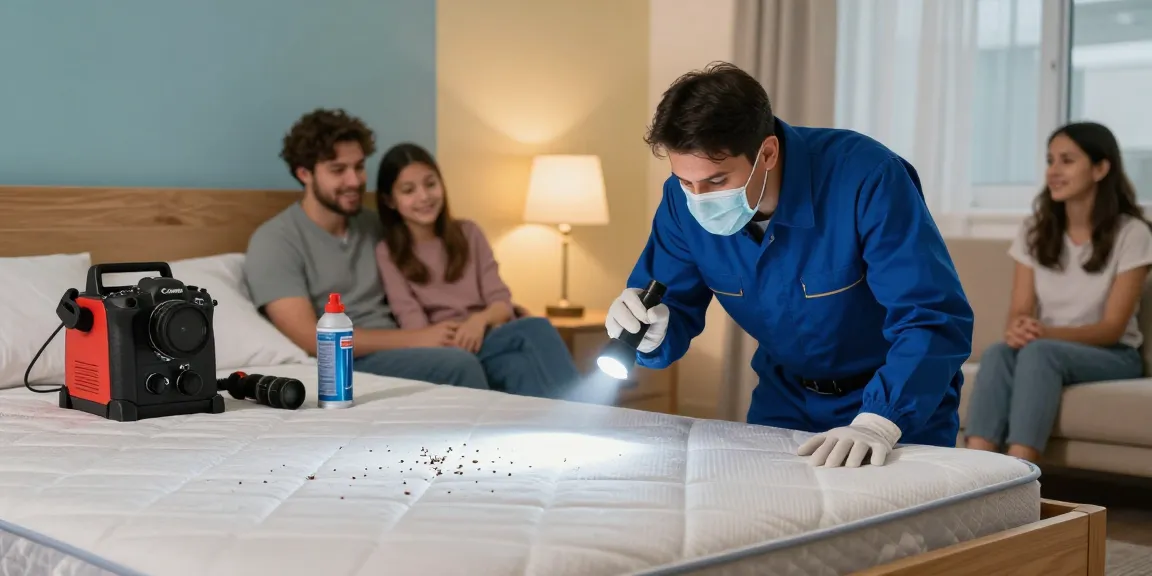
Understanding Bed Bugs: The Basics
Bed bugs, once nearly eradicated in the United States, have made a resurgence in recent years, prompting a pressing need for effective bed bug exterminators. These tiny, nocturnal pests often hitch a ride into homes via luggage, clothing, or secondhand furniture, making awareness and education about them essential. Understanding their behavior, lifecycle, and how infestations occur can help homeowners recognize and address the issue promptly.
What Are Bed Bugs and Their Lifecycles?
Bed bugs (Cimex lectularius) are small, reddish-brown insects that feed solely on the blood of humans and other warm-blooded hosts. Adults measure about 1/4 inch in length, resembling an apple seed, and can live for several months without feeding. Female bed bugs lay between 200 to 500 eggs in their lifespan, with a peak of around seven eggs per week. These eggs hatch in about one to two weeks, further contributing to the infestation if not addressed timely.
How Bed Bug Infestations Occur
Bed bug infestations occur when these pests are transported into a home. Common sources include:
- Traveling and staying in infested hotels
- Purchasing secondhand furniture or mattresses
- Receiving used clothing or items from friends or family
Once introduced, bed bugs quickly spread to nearby areas, typically residing within 8 feet of their host. Their ability to hide in tiny crevices allows them to flourish unnoticed, making prompt detection critical.
Common Myths about Bed Bugs
Several misconceptions about bed bugs can lead to ineffective treatments. These include:
- Myth: Bed bugs are only found in dirty homes. Fact: Cleanliness does not deter bed bugs; they are simply looking for a host.
- Myth: DIY treatments are sufficient for eradication. Fact: Effective eradication often requires professional intervention, as bed bugs can hide in hard-to-reach areas.
- Myth: Bed bugs are only a problem in urban areas. Fact: They can be found in rural and suburban areas as well.
Affordable Bed Bug Exterminators: What to Look For
When seeking professional treatment, it’s essential to choose qualified bed bug exterminators. The right experts can provide insight into effective strategies and ensure your home is thoroughly checked and treated. Here are key factors to consider.
Key Qualities of Professional Exterminators
Not all pest control companies are equipped to handle bed bugs effectively. Look for exterminators with the following qualities:
- Specialization in Bed Bugs: Companies that focus specifically on bed bug treatments will have the most up-to-date knowledge and techniques.
- Experience and Reputation: Seek exterminators with proven success rates and positive customer reviews. This indicates a track record of effective treatments.
- Comprehensive Services: The best exterminators will offer multiple treatment options, including heat treatment, chemical treatments, and preventative measures.
Cost-Effective Treatment Options
Cost is often a concern for homeowners. Understanding the available treatment options can help you make informed decisions:
- Heat Treatment: This method uses high temperatures to eliminate bed bugs at all life stages, including eggs. It is highly effective but may come at a premium price.
- Chemical Treatments: Involves the application of residual insecticides that can last for several months, providing long-term protection against re-infestation.
- Combination Treatments: Some exterminators offer a combination of heat and chemical treatments for optimal results.
Importance of Discreet Services
Many clients prefer discreet pest control treatments to maintain their privacy. Utilizing unmarked vehicles and professional technicians who prioritize confidentiality can help alleviate any embarrassment associated with a bed bug infestation. This can be especially important for commercial clients who wish to protect their business reputation.
Effective Bed Bug Treatment Methods
Understanding the various methods of bed bug treatment is vital. Different strategies may work better depending on your specific situation, and choosing the right method can mean the difference between a one-time treatment and ongoing issues.
Heat Treatment vs. Chemical Treatments
Heat treatment is a non-toxic, eco-friendly method that effectively kills bed bugs by raising the temperature of infested areas. This method can eliminate bugs at all life stages without leaving any harmful residues. In contrast, chemical treatments use pesticides that create a residual barrier, offering long-term protection against re-infestation.
Understanding the Ultimate Combo Treatment
The Ultimate Combo Treatment combines the strengths of both heat and chemical treatments. This method tends to be more effective because it addresses immediate eradication with heat while providing residual protection with pesticides. Clients with severe infestations or those wishing to prevent future problems may find this option particularly beneficial.
Customized Treatment Plans for Different Needs
One size does not fit all in pest control. Exterminators should tailor treatment plans based on the severity of the infestation, the layout of the space, and the specific needs of the client. A thorough inspection followed by a customized plan can maximize effectiveness and minimize costs.
Post-Treatment Care to Prevent Re-Infestation
Once treatment has been completed, maintaining a bed bug-free environment is crucial. Here are strategies to ensure your home remains protected.
Monitoring Your Home: What to Watch For
After treatment, regularly inspect your home for signs of bed bugs. Look for:
- Itchy, red welts on your skin
- Small bloodstains on your sheets
- Dark spots (bed bug excrement) on your mattress or furniture
If any signs appear, do not hesitate to contact your exterminator for follow-up treatments.
Best Practices for Maintaining a Bed Bug-Free Environment
To further reduce the risk of re-infestation, consider these best practices:
- Regularly wash bedding and clothing in hot water.
- Vacuum frequently, paying close attention to seams and edges of mattresses and upholstered furniture.
- Seal cracks and crevices in walls and around baseboards to prevent entry points.
When to Call Back Your Exterminators
If you notice any signs of bed bugs after treatment, contact your pest control specialist immediately. Timely intervention can prevent a full-blown re-infestation and save you money in the long run.
The Future of Bed Bug Extermination in 2026
As pest control technology advances, the strategies and tools used to combat bed bugs are also evolving. Here’s what to expect in the coming years.
Emerging Technologies in Pest Control
Innovative technologies, such as thermal imaging and smart traps, are being integrated into bed bug management. These technologies allow exterminators to detect infestations with greater accuracy and efficiency, minimizing the need for extensive manual inspections.
Trends in Eco-Friendly Treatments
With growing environmental concerns, eco-friendly pest control methods are gaining popularity. Treatments utilizing natural insecticides, combined with traditional methods, are becoming more prevalent, catering to environmentally conscious consumers.
Expert Predictions for Bed Bug Control
Experts predict that bed bug extermination will increasingly rely on integrated pest management (IPM) approaches in 2026. This method combines multiple strategies, such as preventive practices and the judicious use of chemical treatments, to provide comprehensive solutions to pest problems.
FAQs About Bed Bug Treatments
Is an exterminator worth it for bed bugs?
Investing in a professional exterminator is often necessary as bed bugs can cost homeowners substantial amounts in damages and discomfort. Professional treatments ensure thorough eradication and offer long-term protection.
What 100% kills bed bugs?
Heat is known as the only method that offers a 100% success rate in killing bed bugs and their eggs. This approach is effective, although it may require more preparation than chemical treatments.
Who is the best exterminator to get rid of bed bugs?
The best exterminator for bed bugs is one who specializes in these pests, has excellent customer reviews, and offers a range of treatment options tailored to individual needs.
How long does bed bug extermination take?
The duration of bed bug extermination can vary based on the severity of the infestation and the treatment method used. Typically, initial treatments may last a few hours, while follow-up visits might be scheduled over several weeks.
What are the signs of bed bugs in your home?
Signs of bed bugs include dark spots on bedding, small blood stains, and itchy bite marks. Additionally, live bugs may be seen in cracks, crevices, or within furniture.