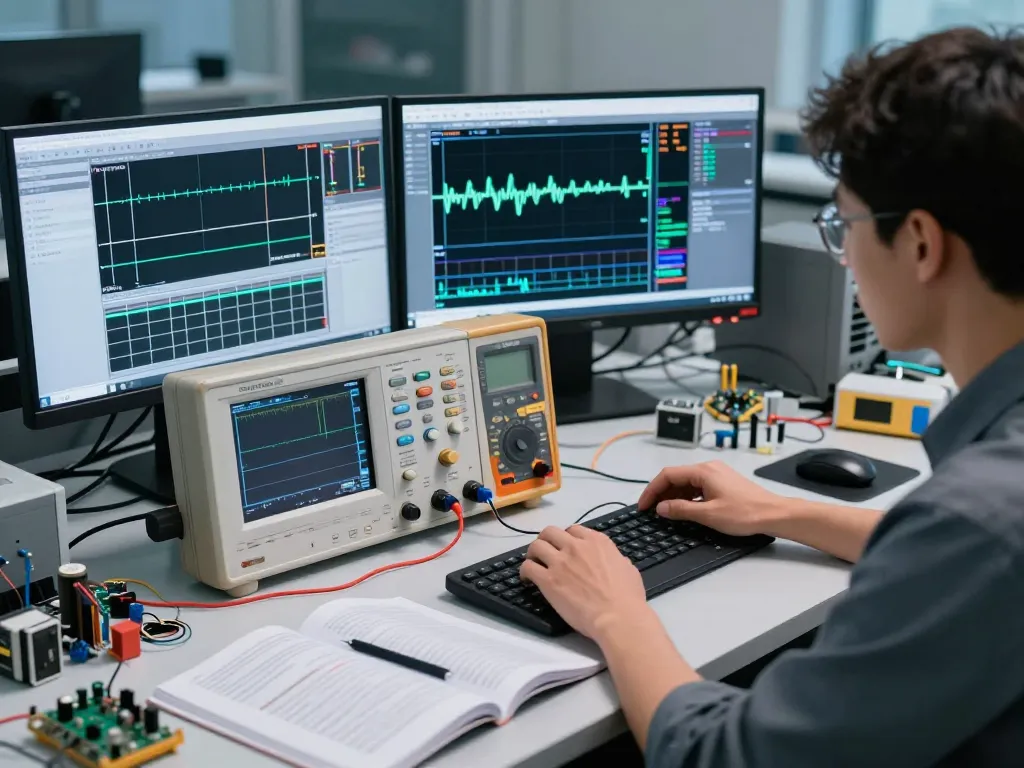
In-Depth Benchtop Oscilloscope Analysis: Effective Insights for Engineers
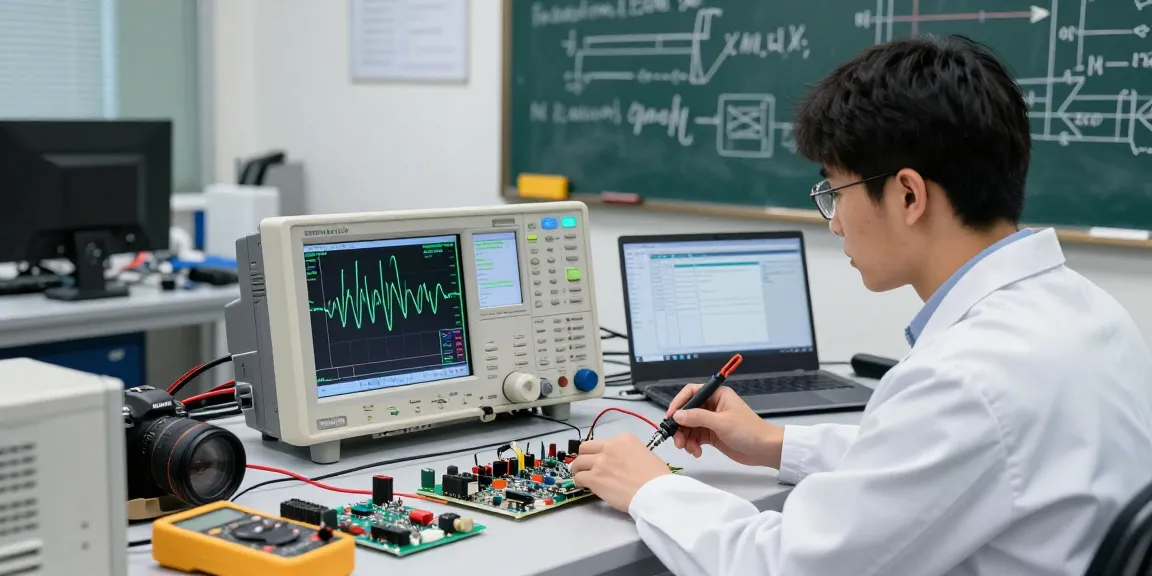
Understanding the Benchtop Oscilloscope: A Comprehensive Introduction
The modern world of electronics demands precision, accuracy, and reliability in measurement tools, particularly when it comes to waveform analysis and signal integrity. The Benchtop Oscilloscope, Digital oscilloscope has become an indispensable instrument for engineers and technicians in various fields. In this article, we will dive deep into what a benchtop oscilloscope is, focusing particularly on the capabilities of the HANMATEK® DOS1102, a robust model designed for precision testing.
What is a Digital Oscilloscope?
A digital oscilloscope is an essential electronic device used to measure and display electrical signals, making it easier to observe waveform characteristics in real-time. Unlike analogue oscilloscopes, digital models convert input signals into digital data, which can be processed, stored, and retrieved for analysis. This advancement facilitates a higher degree of accuracy, enhanced functionality, and greater convenience for users.
Key distinctions include improved bandwidth, sampling rate, and the ability to perform complex measurements. Digital oscilloscopes can handle a wide range of signal types, making them suitable for various applications in electronics design, engineering testing, R&D, and education.
Key Features of the HANMATEK® DOS1102
The HANMATEK® DOS1102 boasts a number of impressive features that enhance its usability and performance:
- Bandwidth: With a bandwidth of 110 MHz, the DOS1102 can accurately capture high-frequency signals, making it ideal for testing a wide array of electronic devices.
- Sampling Rate: The oscilloscope offers a high sampling rate of 1 GSa/s, ensuring precise waveform capture and analysis.
- Dual Channels: The ability to observe two signals simultaneously provides greater insights into the interaction between different circuit elements.
- Advanced Triggering: The DOS1102 includes edge, pulse, and slope triggers facilitating complex measurements.
- Large Display: Its 7-inch display allows for easy observation and detailed signal analysis.
The Importance of Signal Analysis in Electronics
Signal analysis is crucial for diagnosing problems in electronic systems, ensuring that devices perform as expected. By capturing and interpreting waveforms, engineers can identify issues such as noise, distortion, and timing errors. This is particularly vital in high-frequency applications, where even minor discrepancies can lead to significant operational failures. With the HANMATEK® DOS1102, users can take full advantage of its advanced measurement features, enhancing their ability to troubleshoot and optimize electronic performance.
How to Use a Benchtop Oscilloscope Effectively
Maximising the functionality of your benchtop oscilloscope requires a clear understanding of setup, configuration, and operational techniques. Here, we break down the essential steps for effective usage.
Basic Setup and Configuration Steps
To get started with your HANMATEK® DOS1102, follow these basic steps:
- Connect the probes to the oscilloscope channels.
- Power on the device and ensure all connections are secure.
- Adjust the vertical scale to suit the amplitude of the signals you wish to observe.
- Set the horizontal scale to effectively capture the time-based characteristics of your signal.
- Utilize the automatic setup feature to quickly configure the oscilloscope for standard measurements.
Interpreting Waveforms and Measurements
Understanding the waveforms displayed on the oscilloscope is essential for insightful analysis. Key terminologies you should know include:
- Amplitude: The height of the waveform indicates the signal voltage.
- Frequency: The number of cycles per second reflected in the waveform represents signal oscillation rate.
- Phase Relation: The position of the waveform relative to a reference point that can indicate timing differences between multiple signals.
Utilising the dual-channel feature effectively permits comparison of two signals, providing insights into their interactions and potential issues within a circuit.
Advanced Triggering Techniques Explained
Advanced triggering options allow users to capture complex and fleeting signals. The HANMATEK® DOS1102 supports several trigger modes, enabling engineers to refine their capture settings based on specific needs.
- Edge Triggering: Ideal for standard waveform capture.
- Pulse Triggering: Effective for capturing pulses above or below a specified threshold.
- Slope Triggering: Useful for isolating specific changes in signal transitions.
Applications of Digital Oscilloscopes in Various Industries
Digital oscilloscopes play a vital role across several sectors, each benefiting uniquely from their advanced capabilities.
Utilisation in Electronics Design and Repair
Engineers frequently use digital oscilloscopes during both the design and repair phases of electronic devices. They allow for real-time monitoring of signal integrity, enabling quick diagnostics of hardware malfunctions and design flaws. The HANMATEK® DOS1102 excels in delivering precise waveform observation, supporting engineers in validating designs before moving to production.
Educational Uses in Academic Settings
In educational institutions, digital oscilloscopes serve as fundamental tools for teaching electronic principles. Students gain hands-on experience in waveform analysis, underlying the theoretical knowledge acquired in lectures. The simplicity yet sophistication of the DOS1102 provides an excellent learning environment for aspiring engineers.
Research and Development Applications
In R&D environments, oscilloscopes are indispensable for innovation. They help researchers explore new circuits and systems, allowing for experimentation with varied designs. The capabilities of the HANMATEK® DOS1102 support advanced testing scenarios vital in the development of cutting-edge technologies.
Troubleshooting Common Issues with Benchtop Oscilloscopes
Even advanced digital oscilloscopes can encounter problems. Understanding common issues is crucial for maintaining optimal operational performance. Below are some typical challenges and solutions.
Identifying Measurement Errors and Artifacts
Measurement errors can arise from various sources, such as probe misconfiguration or environmental noise. Ensuring proper probe calibration and using grounding techniques can dramatically reduce measurement errors, providing more reliable results. Moreover, ensuring the oscilloscope is connected correctly and configured for the given signal type can prevent significant artifacts.
Solving Software and Connectivity Problems
Software issues may occasionally occur, especially during data transfer processes. Keeping the oscilloscope firmware updated and consistently checking connections can mitigate connectivity challenges. Users should also consult the user manual for troubleshooting connectivity issues related to USB ports or network connections.
Best Practices for Maintenance and Calibration
Regular maintenance and calibration are essential for ensuring consistent performance over time. Users should follow these practices:
- Conduct periodic self-calibrations by following the manufacturer’s recommendations.
- Store the oscilloscope in a dry, stable environment to prevent moisture accumulation and damage.
- Regularly clean probes and connections to ensure optimal signal integrity.
Future Trends in Digital Oscilloscope Technology
The landscape of digital oscilloscopes continues to evolve rapidly. As technology advances, several key trends are emerging, promising to enhance the utility of these devices.
Emerging Features and Innovations for 2026
Future iterations of digital oscilloscopes are likely to include features such as augmented reality interfaces, enhanced machine learning algorithms for automatic analysis, and improved data integration with cloud services. These innovations are set to simplify user interaction and improve analytical capabilities.
Comparing Cost-Effective Models in the Market
As demand for digital oscilloscopes continues to grow, the market will likely expand with many cost-effective models. It’s crucial to compare features, quality, and user feedback before making a purchase decision. The HANMATEK® DOS1102 remains a benchmark in affordability combined with performance, setting a standard for new models.
Conclusion: Preparing for the Next Generation of Measurement Tools
As we look towards the future of measurement technology, the importance of accurate and reliable tools cannot be overstated. The HANMATEK® DOS1102 Benchtop Digital Oscilloscope exemplifies the capabilities that modern engineers and technicians require. Ensuring familiarity with both the basic and advanced features of such devices will empower professionals to tackle increasingly complex electronic challenges in the years to come.
Frequently Asked Questions
What is the recommended bandwidth for most applications?
For most general applications, a bandwidth of at least 100 MHz is recommended to capture a wide variety of signals accurately.
Are there specific safety regulations for using digital oscilloscopes?
Yes, it is essential to ensure that the oscilloscope is operated within its specified voltage ratings and adheres to safety standards, especially in industrial settings.
Can I connect multiple probes to a Benchtop Oscilloscope?
Yes, most modern benchtop oscilloscopes, including the HANMATEK® DOS1102, can accommodate multiple probes for simultaneous signal analysis.
What are the benefits of dual-channel oscilloscopes?
Dual-channel oscilloscopes allow users to monitor and compare two different signals simultaneously, making them invaluable for troubleshooting and design validation.
How do I update the firmware on my HANMATEK device?
Firmware updates can typically be downloaded from the manufacturer’s website and installed via USB. Always follow the provided instructions to ensure a smooth update process.