
Essential Insights: Digital Oscilloscope vs Multimeter for 2026
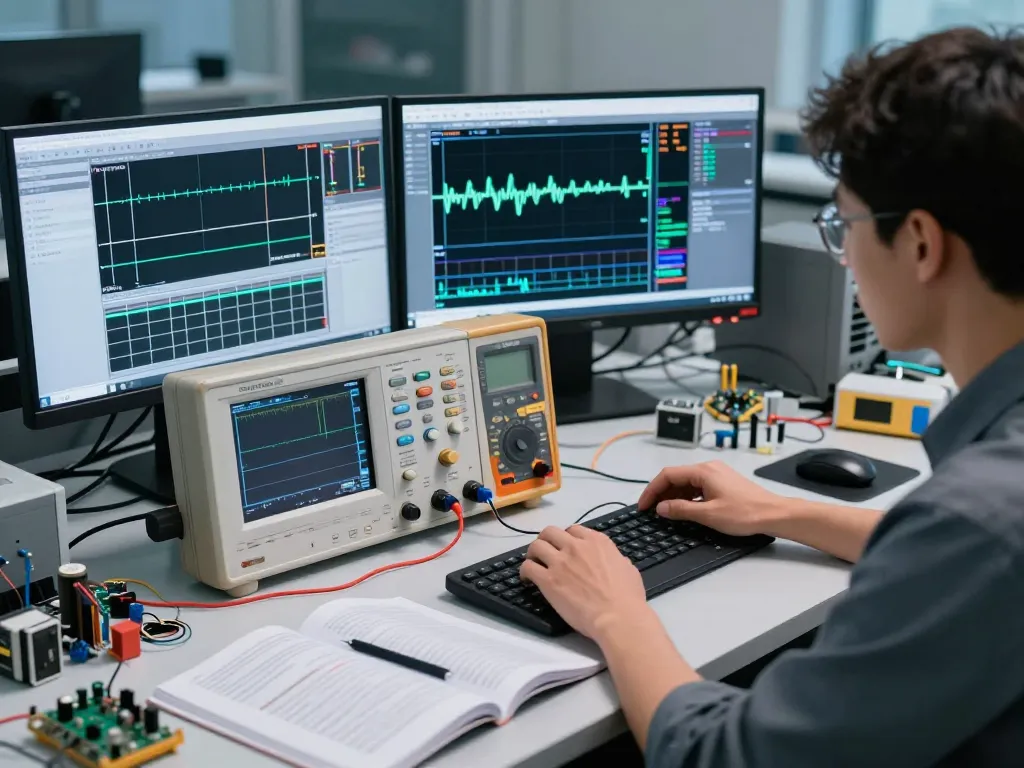
Understanding the Basics of Digital Oscilloscopes and Multimeters
When diving into the world of electronics testing, two tools frequently emerge as essential: digital oscilloscopes and multimeters. Each device provides unique functions that cater to specific needs within the realms of electronics and electrical engineering. Understanding the differences, applications, and ideal use-cases for these instruments can significantly enhance both educational and professional practices. This guide aims to elucidate these tools, their capabilities, and when to opt for each, ensuring users are equipped with the knowledge to make informed decisions about their testing equipment. When exploring options, digital oscilloscope vs multimeter provides comprehensive insights that can clarify their respective benefits.
What is a Digital Oscilloscope?
A digital oscilloscope is an electronic test instrument that graphically displays voltage signals over time. Primarily used in diagnostics and troubleshooting, it captures, displays, and analyzes waveforms, enabling engineers and technicians to visualize how signals behave in an electrical circuit. Key features of digital oscilloscopes include:
- Waveform Visualization: Provides clear, real-time visualizations of signals, helping users identify anomalies such as noise, glitches, and distortions.
- Bandwidth: This indicates how much frequency range the oscilloscope can accurately measure. Higher bandwidth allows for more complex waveform analyses.
- Multiple Channels: Many oscilloscopes come with multiple channels that enable the user to compare different signal inputs simultaneously.
What is a Multimeter?
A multimeter is a versatile device utilized for measuring voltage, current, and resistance in electrical circuits. Known as a digital multimeter (DMM) in its most advanced form, it can also perform continuity tests and, in some cases, temperature measurements. Key functionalities include:
- Measurement Accuracy: Multimeters typically provide higher accuracy for DC measurements as compared to oscilloscopes.
- Resistance and Continuity Testing: Essential for checking circuit integrity and ensuring connections are functioning properly.
- Portability: Many multimeters are compact and battery-operated, making them ideal for fieldwork and quick checks.
Key Differences Between Digital Oscilloscope vs Multimeter
While both tools serve important roles in electrical testing, there are distinct differences in how they operate and what they measure. Digital oscilloscopes excel in:
- Time-Based Measurements: They capture the behavior of signals over time, making them invaluable for troubleshooting complex issues like signal integrity.
- Real-Time Analysis: Ideal for observing transient events and analyzing frequency response, which multimeters cannot do.
- Visual Output: They present detailed waveforms allowing for analysis of signal shape and frequency.
Conversely, multimeters are more suited for:
- Voltage Measurements: They provide precise measurements for DC and AC voltages, making them reliable for everyday electrical tasks.
- Lower Frequency Range: While oscilloscopes can measure high-frequency signals, multimeters are more geared toward stable readings.
- Higher Accuracy for Static Measurements: They usually exhibit a higher degree of accuracy compared to oscilloscopes for static measurements.
Applications of Digital Oscilloscopes
Signal Analysis in Electronics
Digital oscilloscopes are essential for various electronic signal analyses such as:
- Debugging: Engineers use oscilloscopes to troubleshoot circuit issues and identify faults in devices.
- Signal Integrity Testing: Ensuring signals are transmitted without distortion is crucial in high-speed electronics.
- Research and Development: Used extensively in R&D for evaluating new electronic designs.
Educational Uses and Training
In educational environments, digital oscilloscopes play a pivotal role by:
- Demonstrating Principles of Electronics: Students can visually grasp waveform characteristics and understand complex concepts through real-time data.
- Hands-On Experience: Allowing students to engage with actual electronic signals fosters deeper understanding and retention of electrical theory.
- Experimental Analysis: They can conduct experiments that require precise timing and signal analysis.
Advanced Engineering Applications
In advanced engineering and development tasks, oscilloscopes are indispensable for:
- High-Speed Communication Systems: Essential for analyzing digital communication signals and ensuring signal integrity.
- Automotive Diagnostics: Used for testing complex automotive electronics and troubleshooting communication protocols.
- Robotics and Automation: Vital in programming and troubleshooting automated systems where precise timing is crucial.
Applications of Multimeters
Everyday Electrical Measurements
Multimeters are ideal for a variety of everyday tasks, such as:
- Household Electrical Testing: Used to verify outlet voltages, check circuit breakers, and troubleshoot household wiring.
- Battery Testing: Essential for measuring the charge level and health of batteries across various applications.
- Basic Circuit Repairs: Helpful for assessing continuity in circuits and diagnosing electrical issues.
Automotive Diagnostics
In automotive settings, multimeters are favored due to their capability to:
- Test Automotive Electrical Systems: Providing accurate readings of electrical systems components, including alternators, starters, and sensors.
- Conduct Continuity Tests: Ensuring that wiring and connections are intact and functioning properly, which is critical for vehicle safety.
- Locate Faulty Components: Assisting mechanics in identifying malfunctioning parts efficiently.
Home Electrical Projects
DIY enthusiasts and homeowners utilize multimeters for projects such as:
- Renovations: Verifying the electrical wiring prior to making connections, ensuring safety and compliance with standards.
- Equipment Repair: Testing appliances for electrical faults before disposal or repair.
- Outdoor and Garden Lighting: Assessing current and voltage levels for installing new lighting systems safely.
Choosing the Right Tool for Your Needs
When to Use a Digital Oscilloscope?
Digital oscilloscopes are ideal when precise signal visualization is critical. You should opt for an oscilloscope when:
- You are troubleshooting complex signal waveforms.
- Your work involves high-speed digital circuits or RF signals where timing is crucial.
- You need to analyze transient behavior in electronic components.
When to Use a Multimeter?
In contrast, you should use a multimeter for:
- General electrical measurements including DC and AC voltage readings.
- Routine checks and maintenance tasks in electrical work.
- Assessing circuit integrity in both digital and analog electronics.
Combining Both Instruments in Practice
For comprehensive electrical testing, using both a digital oscilloscope and a multimeter can yield better results. While the oscilloscope provides detailed insights into signal behavior, the multimeter ensures accurate voltage and current measurements. This combination is particularly effective in:
- Complex troubleshooting scenarios where both time-domain and amplitude-specific information is required.
- Your projects involve both digital and analog components, requiring different types of analyses.
Future Trends in Signal Analysis Tools for 2026
Technological Advancements on the Horizon
As we look to the future, we can anticipate several key advancements in signal analysis tools:
- Integration of AI: Machine learning algorithms are expected to enhance data analysis and signal clarity, providing actionable insights based on captured data.
- Increased Bandwidth Capabilities: Future oscilloscopes will likely support even higher bandwidth ranges, accommodating the growing demand for high-speed digital applications.
- Enhanced User Interfaces: Expect more intuitive touch screen interfaces that simplify operation and enhance user experience.
Predicted Market Trends
The electronics testing market is expected to evolve dramatically in the coming years due to:
- Increased Demand for Portable Solutions: More professionals are seeking compact and user-friendly tools without sacrificing performance.
- Growth in Education Sectors: As STEM education continues to expand, educational institutions will increase their investment in modern educational tools.
- Rising Complexity in Electronics: With advancements in technology, the need for sophisticated testing and measurement solutions will grow, pushing the market for oscilloscopes and multimeters.
Emerging Features and User Preferences
Based on current trends, emerging features that users may prioritize include:
- Wireless Connectivity: Users are increasingly looking for devices that can transmit data wirelessly, allowing for remote monitoring and analysis.
- Cloud Integration: The ability to store, share, and analyze data in the cloud for collaborative projects is becoming more prevalent.
- Customizable User Interfaces: As the user base diversifies, the demand for customizable interfaces tailored to specific applications is expected to rise.
FAQs
What factors should I consider when choosing between a digital oscilloscope and a multimeter?
When choosing between these devices, consider your primary tasks—whether you need detailed signal analysis or precise electrical measurements. Assess the frequency range you will be working with and what level of accuracy is required.
Can I rely on a multimeter for all electrical testing?
While multimeters are versatile and accurate for many tests, they cannot measure time-domain behaviors effectively. For detailed signal analysis, a digital oscilloscope is necessary.
How does the accuracy differ between these two instruments?
Multimeters generally offer greater accuracy for static measurements compared to oscilloscopes, which may have broader measurement bandwidths but less precision in standard voltage readings.
Are there hybrid devices that combine features of both?
Yes, some devices combine features of both oscilloscopes and multimeters, offering a versatile solution for a range of testing requirements. These hybrid tools can save space and cost while providing multiple functionalities.
What industries primarily use digital oscilloscopes?
Digital oscilloscopes find extensive use in telecommunications, automotive diagnostics, aerospace engineering, and educational institutions, serving as critical tools in the design, testing, and analysis phases of electronic development.