
Effective Techniques for Spray Foam Removal UK: A Complete Guide
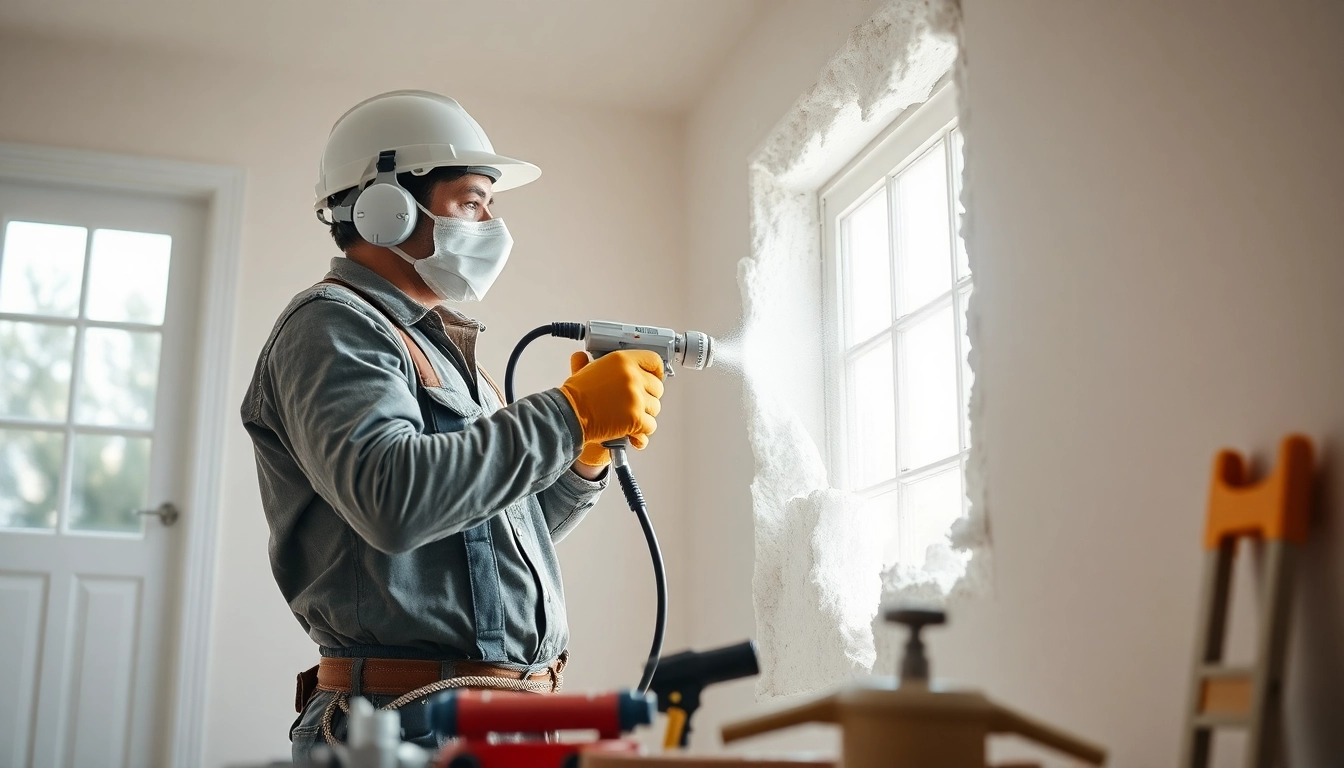
Understanding Spray Foam Removal UK: An Overview
The growing popularity of spray foam insulation for homes and commercial buildings across the UK can be attributed to its superior thermal insulation and air sealing properties. However, there are instances where spray foam removal UK becomes necessary, either due to poor installation, repairs, or when upgrading insulation. This guide will provide you with an in-depth understanding of spray foam removal, addressing its significance, associated challenges, and the best practices for ensuring a safe and effective process.
What is Spray Foam Insulation?
Spray foam insulation is a two-component polymer that expands upon application, creating an airtight seal that helps in maintaining indoor temperatures. It can be classified into two categories: open-cell and closed-cell. Open-cell foam has a lower density and is ideal for interior walls, while closed-cell foam is denser and offers superior moisture resistance, making it suitable for external applications and basements. While it provides exceptional insulation, improper installation or degradation over time may necessitate removal.
Why Remove Spray Foam?
There are several reasons why homeowners or contractors might consider spray foam removal:
- Improper Installation: Poorly applied foam can lead to compromised insulation efficiency, resulting in temperature inconsistencies.
- Mold Growth: If moisture seeps into the foam, it may lead to mold proliferation, which poses health risks.
- Renovations or Upgrades: Upgrading insulation materials often requires the removal of existing spray foam.
- Repairs: If the underlying structure needs repairs (e.g., plumbing or electrical work), spray foam insulation may obstruct access.
Common Challenges in Spray Foam Removal
Removing spray foam insulation is not a straightforward task. Here are some common challenges:
- Adhesion: Urethane spray foam adhesively bonds to surfaces, making removal labor-intensive.
- Odor and Fumes: The chemicals used in spray foam insulation can produce unpleasant odors, which may necessitate proper ventilation during removal.
- Safety Hazards: Workers must be aware of potential health risks associated with spray foam chemicals, such as skin irritation and respiratory issues.
Best Practices for Safe Spray Foam Removal UK
Essential Safety Equipment
Safety is paramount during the removal process. Workers should ensure they are equipped with:
- Protective Clothing: Long-sleeved shirts, trousers, gloves, and goggles protect against chemical exposure.
- Respirators: A properly fitted respirator is essential to prevent inhalation of harmful fumes and dust.
- Ventilation Equipment: Proper ventilation helps mitigate exposure to toxic fumes.
Pre-Removal Preparation Steps
Preparing for spray foam removal involves several crucial steps:
- Assessment: Evaluate the area to determine how much foam requires removal and identify any potential hazards.
- Safety Plan: Develop a safety plan outlining emergency protocols, especially if working in confined spaces.
- Personal Protective Equipment (PPE): Ensure all team members have their PPE on before starting the removal process.
Techniques for Effective Foam Removal
Effective spray foam removal techniques include:
- Mechanical Removal: This involves using specialized tools such as chisels or scrapers to detach the foam from surfaces.
- Solvent Application: Certain solvents can soften the foam, making it easier to remove. Care must be taken as some solvents can damage underlying surfaces.
- Heat Application: Controlled heat can also be used to soften the foam, making it easier to scrape away. Caution is necessary to avoid damaging surrounding materials.
Tools and Materials for Spray Foam Removal UK
Recommended Tools Needed
Utilizing the right tools significantly enhances the efficiency and safety of the spray foam removal process. Key tools include:
- Utility Knife: Essential for making initial cuts in the foam.
- Foam Scrapers: These are specifically designed to thinly slice away foam layers with minimal effort.
- Power Sanders: For larger areas, power sanders equipped with appropriate grit paper can be beneficial to smooth surfaces following removal.
Cleaning Agents and Chemicals
Cleaning agents can simplify the removal of remaining residues. Some chemicals include:
- Acetone: Effective for breaking down uncured foam and contaminants.
- Specialized Foam Removers: These products are specifically designed for this purpose and can yield excellent results.
- Soapy Water: A gentle mixture can assist in cleaning surfaces after foam is removed.
Proper Disposal Methods
Disposing of removed foam responsibly is crucial. Recommended practices include:
- Local Regulations: Always check local waste disposal regulations, as spray foam may be classified as hazardous in some areas.
- Recycling Options: Some facilities may recycle specific types of foam; explore local recycling programs.
- Landfill Guidelines: If disposal at a landfill is necessary, follow all guidelines for hazardous materials.
Do-It-Yourself vs. Professional Services for Spray Foam Removal UK
Evaluating Your Skills and Knowledge
Before deciding between a DIY approach and hiring professionals, evaluate your skills and knowledge. Consider:
- Experience: If you have experience in insulation work, a DIY approach may be feasible.
- Complexity of Job: Simple removals may be manageable, while complex or large-scale removals may necessitate professional assistance.
- Health and Safety Understanding: A solid understanding of safety measures is essential for any removal task.
When to Hire a Professional
Hiring a professional is advisable when:
- Health Risks: If you or anyone involved has respiratory issues or allergy sensitivities, it’s safer to hire experts.
- Large Areas: For extensive projects, professionals can complete the job efficiently and safely.
- Regulatory Compliance: Professionals are usually more familiar with local codes and regulations that need to be adhered to during and after foam removal.
Cost Considerations for Removal
Costs for spray foam removal can vary based on multiple factors:
- Area Size: The larger the area, the higher the cost due to the need for more labor and materials.
- Type: Different foam types require varying degrees of effort for removal.
- Location: Costs may be higher in urban areas compared to rural regions, depending on local service pricing.
Frequently Asked Questions about Spray Foam Removal UK
How long does spray foam removal take?
The duration for spray foam removal varies based on the area size and complexity, typically ranging from a few hours to a couple of days.
Is spray foam removal hazardous?
Yes, it can be hazardous due to chemical exposure and dust. Proper safety equipment and ventilation are crucial during the process.
Can I remove spray foam myself?
Yes, if you have the right tools, knowledge, and safety precautions in place. However, consider hiring professionals for complex jobs.
What are the costs associated with removal?
Costs can vary widely based on area size, application complexity, and service provider, so obtaining multiple quotes for accurate estimates is wise.
What should I do after the foam is removed?
After removal, ensure all residues are cleaned adequately, repair any underlying structures, and consider your insulation options before reinstalling.


