Key Elements of Colonial Home Construction for Modern Homeowners

Understanding Colonial Home Construction
History and Evolution of Colonial Architecture
Colonial architecture emerged during the 17th and 18th centuries when European settlers arrived in America. This architectural style reflects the influences of various European countries, particularly England, Spain, and France. The original colonial structures were built with local materials, designed to withstand the climate and conditions of the New World. As time progressed, distinct regional variations developed, such as Georgian, Dutch Colonial, and Federalist styles. Today, these historical influences shape modern interpretations of colonial homes, incorporating both traditional aesthetics and contemporary needs.
Key Features of Colonial Home Construction
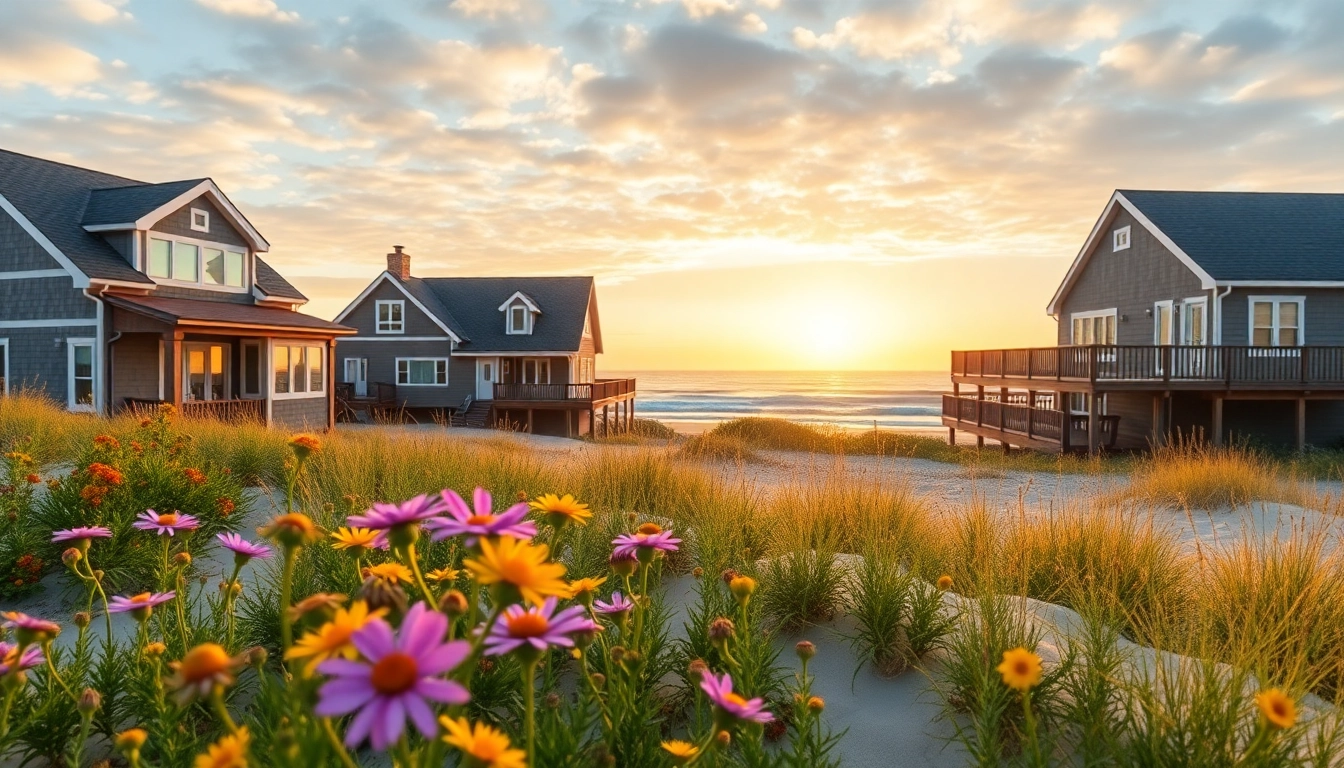
Colonial homes are characterized by symmetry, rectangular shapes, and a centrally located front door. Common features include:
- Two to three-story structures, often with a steep gabled roof.
- Evenly spaced windows and a balanced façade.
- Materials such as wood, brick, or stone, frequently painted in neutral colors.
- Traditional chimneys, often placed in the center or on one end of the house.
- Porches or porticos that serve as decorative and functional space.
The combination of these elements creates a timeless aesthetic that appeals to many homeowners.
Why Choose Colonial Style for Your Home?
Opting for colonial home construction provides numerous benefits. This style often reflects a sense of history and tradition, appealing to those who cherish classic designs. Furthermore, the symmetrical layouts foster a sense of balance, making it easier to furnish and decorate. The durability of the materials and designs also ensures longevity, reducing maintenance costs in the long run. Additionally, colonial homes tend to have good resale value, making them a practical choice for homeowners seeking to invest wisely in their property.
Planning Your Colonial Home Build
Selecting the Right Location
Choosing the right location for your colonial home is essential. Consider areas with historical significance, as they often complement the architectural style. Look for neighborhoods with similar designs, as this consistency can enhance property values. Additionally, assess the proximity to amenities such as schools, parks, and shopping centers. Natural surroundings, like trees and bodies of water, contribute to the aesthetic and can serve as a backdrop to your colonial design.
Designing Floor Plans for Colonial Homes
The floor plan of a colonial home typically emphasizes open spaces while maintaining distinct rooms. Common patterns include a traditional center hall layout, with rooms extending to either side of the entrance. Modern adaptations may incorporate open-concept spaces while respecting classic features. Key considerations when designing your floor plan include:
- Flow and accessibility between rooms, ensuring ease of movement.
- Incorporating sufficient natural light, utilizing strategically placed windows.
- Balancing aesthetic appeal with functional spaces, such as kitchens and living areas.
- Allowing for future expansion or modifications, accommodating changing family needs.
Staying Within Budget for Colonial Home Construction
Constructing a colonial home can be a significant investment, so careful budgeting is crucial. Begin by setting a clear budget, including land purchase, materials, labor, and permits. Thorough research into contractors specializing in colonial designs is essential, as their expertise can help avoid costly mistakes. Factor in contingency expenses, as unforeseen challenges often arise during construction. By setting priorities on features and design elements, you can create a beautiful colonial home while adhering to your financial limits.
Materials and Techniques in Colonial Home Construction
Popular Materials for Colonial Architecture
Historical colonial homes utilized locally sourced materials that provided durability and character. Common materials include:
- Wood: Often used for framing, siding, and decorative elements.
- Brick: Particularly in the Georgian style, providing strength and requiring less maintenance.
- Stone: Typically found in early settlements, offering a rustic appearance.
- Stucco: Used in southern colonial homes, giving a distinct finish.
Modern Techniques in Colonial Home Building
Modern construction techniques have advanced significantly. Today, builders utilize advanced framing methods, prefabricated materials, and energy-efficient technologies to create colonial homes. These techniques often lead to faster construction times and reduced waste. Additionally, incorporating smart home technologies allows homeowners to enhance energy efficiency and improve overall comfort.
Ensuring Quality in Material Selection
When it comes to colonial home construction, selecting high-quality materials is paramount. Focus on durability and sustainability by researching suppliers and manufacturers. Look for environmentally friendly options such as reclaimed wood or sustainably sourced materials. Consult with architects and builders who specialize in colonial designs to understand the best practices in material selection, ensuring that your home stands the test of time.
Sustainability in Colonial Home Construction
Incorporating Energy-Efficient Designs
Today’s homeowners often prioritize sustainability when building a new home. Colonial designs can easily accommodate energy-efficient features such as:
- High-Performance Windows: Opt for double or triple-glazed windows to improve insulation.
- Insulation: Use advanced insulating materials to minimize energy loss.
- Solar Panels: Integrate solar power solutions that complement the traditional aesthetics.
- Geothermal Heating: Harness the earth’s temperature to heat and cool your home sustainably.
Using Sustainable Materials for Construction
Selecting sustainable materials not only benefits the environment but also enhances your home’s appeal. Focus on local and recycled materials, which reduce transportation emissions and support local economies. For instance, reclaimed timber adds character while being eco-friendly. Concrete made with recycled products, or low-VOC paints, can also contribute to a healthier home environment.
Maintaining Colonial Homes with Eco-Friendly Practices
Preserving the beauty and integrity of a colonial home requires ongoing maintenance. Eco-friendly practices such as using natural cleaning products, installing compost systems, and ensuring proper insulation can significantly enhance your home’s sustainability. Regular inspections for weathering and damage are vital to extend the life of the structure. Additionally, engage professionals who prioritize green practices in restoration and renovation.
Frequently Asked Questions about Colonial Home Construction
What are the essential elements of colonial home design?
Essential elements include symmetry, a steep gabled roof, evenly spaced windows, and traditional materials. Characteristic features such as a central entrance and decorative moldings also define the style.
How long does it take to construct a colonial home?
Construction timelines can vary based on design complexity and local regulations, but typically, it takes between six months to over a year to complete a colonial home.
What is the average cost of colonial home construction?
The average cost varies widely based on location, size, and material selections. Generally, construction costs can range from $150 to $400 per square foot.
Are there modern adaptations of colonial architecture?
Yes! Modern adaptations often incorporate open floor plans, energy-efficient features, and the use of new materials while maintaining traditional aesthetics.
What permits are required for colonial home construction?
Typical permits include building permits, zoning approvals, and environmental assessments. Requirements vary by location, so it’s crucial to check local regulations.