Why Should Warehouse Managers Care About the Best Forklift for Sale in Texas Now?
Understanding the Best Forklift for Sale in Texas
As the demand for efficient material handling solutions continues to grow, many businesses in Texas are seeking the Best forklift for sale in Texas. Whether you’re managing a warehouse, construction site, or agricultural operation, the right forklift can significantly improve your productivity. Understanding the available options and their respective functionalities is essential for making an informed decision. This comprehensive guide will help you navigate the various choices, from electric to gas forklifts, and highlight the features that set top models apart.
What Makes a Forklift Stand Out?
Several factors contribute to the effectiveness and efficiency of a forklift, including its lifting capacity, maneuverability, battery life for electric models, and overall durability. A forklift’s design and engineering play a crucial role in how well it performs under different conditions. For instance, electric forklifts are celebrated for their low emissions and operational silence, while gas-powered options might provide higher raw power for intensive lifting tasks.
Comparative Analysis of Electric vs. Gas Forklifts
When choosing a forklift, one of the critical decisions you’ll face is whether to opt for an electric or gas-powered model. Electric forklifts tend to be quieter and more environmentally friendly, making them ideal for indoor use where emissions need to be minimized. Additionally, they require less maintenance and have lower operational costs associated with electricity versus fuel. On the other hand, gas forklifts provide greater power and are typically more suitable for outdoor environments or heavy-lifting tasks where endurance and speed are crucial.
Key Features of Top Models in 2026
For 2026, key features that define the best forklifts include advanced safety mechanisms, ergonomic designs to enhance operator comfort, and integrated technologies such as telematics for performance monitoring. Many new models are incorporating AI-driven systems, allowing for improved efficiency and predictive maintenance alerts, ensuring that your investment remains productive and cost-effective.
Evaluating Different Forklift Types for Your Needs
In evaluating which forklift fits best with your operations, it’s essential to consider the specific tasks you need to complete and the environment in which the equipment will be used. There are various types of forklifts available, each designed for particular applications.
Identifying the Right Forklift for Your Warehouse
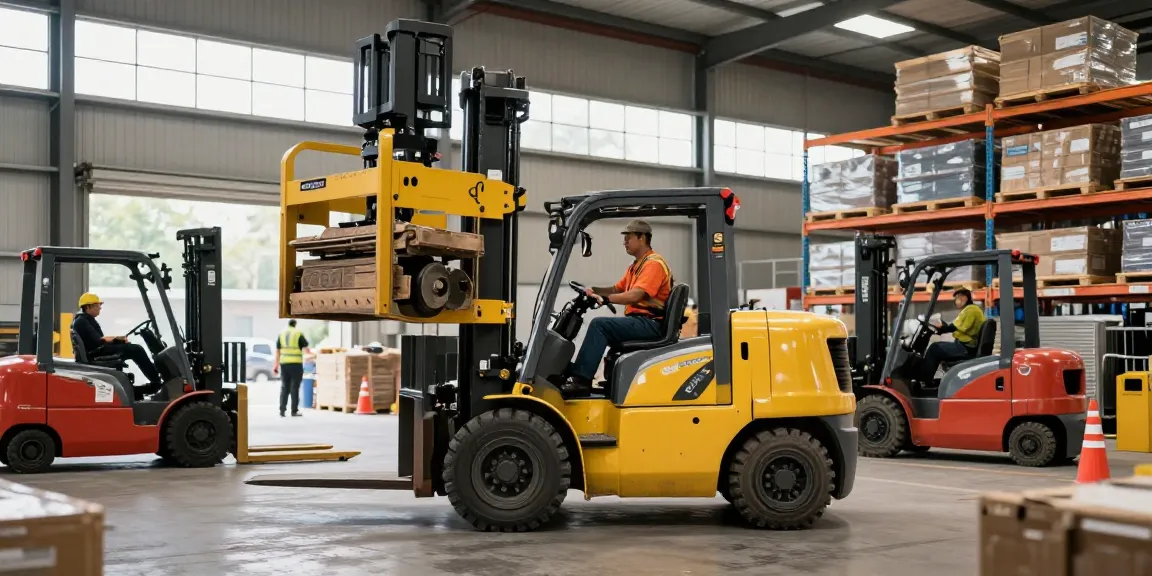
The right forklift for your warehouse largely depends on the layout and the types of materials being handled. Narrow aisle forklifts are ideal for spaces with limited width, while counterbalance forklifts are versatile and can handle a variety of goods in various environments. Furthermore, consider the weight capacity needed and ensure the forklift can support your heaviest loads.
Specialized Forklifts: Choosing Based on Industry Requirements
For industries like agriculture, construction, or manufacturing, specialized forklifts may be necessary. For example, telehandlers can extend reach and handle heavy loads, while pallet jacks are excellent for simpler tasks like moving pallets short distances. Understanding your industry’s unique requirements can streamline operations and enhance efficiency.
Usage Scenarios and Operational Efficiency
Analyzing usage scenarios helps in optimizing operational efficiency. A forklift that suits rigorous outdoor construction tasks might differ significantly from one designed for delicate indoor warehouse work. By assessing the various scenarios where the forklift will be utilized, you can better match features and capabilities to ensure seamless operations.
Cost Considerations When Buying Forklifts
When investing in forklifts, understanding the total cost of ownership is crucial. This includes initial purchase price, maintenance costs, energy expenses, and potential downtime. Accurate budgeting can prevent financial strain and ensure that you select a model that not only fits your immediate needs but also offers long-term value.
Understanding Total Cost of Ownership
The total cost of ownership (TCO) encompasses more than just the sticker price of the forklift. It includes costs associated with maintenance, repairs, and energy consumption over the life of the machine. Electric forklifts often have lower TCOs due to reduced maintenance needs and energy costs compared to gas-powered counterparts.
Financing Options for Forklift Purchases
Many companies offer financing solutions to help make forklift purchases more accessible. From leasing options to loans with favorable terms, exploring financing avenues can significantly ease budget constraints. Be sure to examine all available options to find a plan that aligns with your financial situation.
Long-Term Investment versus Short-Term Savings
When purchasing a forklift, consider whether you’re focusing on a long-term investment or seeking immediate savings. While cheaper models may save money upfront, investing in more robust, higher-end forklifts can offer better performance, durability, and return on investment over time. Balancing your immediate budget with long-term functionality is key to making the right choice.
Procurement Tips for Selecting Forklifts
Choosing the right supplier is as important as selecting the appropriate forklift model. A reliable dealer provides not only quality equipment but also ongoing support and service that can keep your operations running smoothly.
What to Look for When Visiting a Dealer
When visiting a dealer, evaluate their inventory range and ensure they provide equipment that meets your specific needs. A knowledgeable sales team should be able to guide you toward the best options based on your operational requirements. Additionally, inquire about after-sales service, warranty policies, and maintenance support.
Evaluating Customer Reviews and Feedback
Customer feedback can be a valuable resource when selecting a forklift. Pay attention to reviews regarding machine performance, customer service, and warranty experiences. This information can help shape your understanding of potential issues and advantages associated with different models and suppliers.
Best Practices When Comparing Prices
When comparing prices, focus on the total cost rather than just the upfront sale price. Ensure you consider any additional costs for maintenance, repairs, and potential productivity losses due to subpar equipment. Always gather quotes from multiple suppliers to ensure you’re making an informed decision.
The Future of Forklifts and Material Handling
The material handling equipment industry is rapidly evolving, with innovations set to reshape how we think about forklifts. Keeping an eye on future trends will help ensure your operations remain competitive and efficient.
Emerging Technologies in Forklift Design
Emerging technologies such as automation, electrification, and smart connectivity are transforming forklift design. Automated forklifts are gaining traction, enhancing precision in operations while minimizing labor costs. These advancements can significantly improve warehouse efficiency and reduce the likelihood of operational mishaps.
Sustainability Trends in Warehouse Equipment
As sustainability becomes increasingly critical for businesses, more manufacturers are focusing on producing eco-friendly forklifts. This includes the adoption of electric models, which offer zero-emission performance and improved efficiency. Choosing sustainable equipment not only benefits the environment but also aligns with consumer preferences for greener business practices.
Future-Proofing Your Material Handling Operations
To future-proof your material handling operations, consider scalability and adaptability in your equipment purchases. Investing in versatile models that can accommodate different types of loads and operational needs will enable you to respond effectively to market fluctuations and changes in business dynamics.
What Maintenance Practices Should Be Followed?
Regular maintenance is vital to prolong the lifespan and efficiency of your forklift. Scheduled inspections, prompt repairs, and adherence to manufacturer maintenance recommendations can prevent costly breakdowns and ensure smooth operations. Keeping a maintenance log can also help track issues and solutions over time.
How Do Industry Innovations Impact Consumer Choices?
As innovations emerge, consumer preferences evolve. Enhanced safety features, advanced telematics, and improved ergonomics are becoming increasingly important for buyers. Understanding how these changes affect market expectations can help business owners make informed equipment purchasing decisions that meet contemporary demands.