Essential Insights on Semi-Finished Plastic: A Comprehensive Guide for 2026
Understanding Semi-Finished Plastic Products
Semi-finished plastic products are crucial components in various manufacturing processes, serving as the intermediate goods that bridge the gap between raw materials and the final product. These versatile materials offer durability and flexibility, making them indispensable in multiple applications across industries. By understanding the features and benefits of semi-finished plastics, businesses can make informed decisions that enhance efficiency and product quality. For companies looking for durable and reliable options, Semi-finished plastic products provide comprehensive solutions that can effectively meet their operational needs.
What are Semi-Finished Plastics?
Semi-finished plastics refer to processed materials that have not yet reached their final form. They are typically available in sheets, rods, tubes, and other shapes, designed for further machining or fabrication. These products are essential for manufacturing components that require specific tolerances and characteristics. They are often made from high-performance polymer materials, which may include thermoplastics such as PEEK (Polyether Ether Ketone), MC Nylon (Modified Cast Nylon), and various other engineered plastics.
Types of Semi-Finished Plastics: PEEK, MC Nylon, and More
Different types of semi-finished plastics serve diverse applications, each with unique properties:
- PEEK: Known for its exceptional strength and thermal stability, PEEK is favored in aerospace, automotive, and medical industries. It withstands high temperatures and aggressive chemicals, making it ideal for harsh environments.
- MC Nylon: This material exhibits excellent wear resistance and low friction properties. MC Nylon is commonly used in the production of gears, bearings, and bushings.
- PP (Polypropylene): Lightweight and resistant to moisture and chemicals, PP is often used for packaging, automotive parts, and consumer products.
- PVC (Polyvinyl Chloride): Rigid and flexible forms of PVC are utilized in pipes, tubing, and various construction materials due to their durability and cost-effectiveness.
Applications Across Industries
Semi-finished plastic products find applications in numerous industries:
- Aerospace: Components made from PEEK are critical for high-performance applications where weight reduction and temperature resistance are paramount.
- Automotive: MC Nylon is extensively used in automotive parts like fuel tanks, where strength and chemical resistance are necessary.
- Medical: Semi-finished plastics are utilized for surgical instruments and medical devices, ensuring compliance with strict hygiene and safety standards.
- Electronics: With excellent insulating properties, materials like PVC are used in cable insulation and electronic components.
Benefits of Using Semi-Finished Plastics
Durability and Resistance to Environmental Factors
The durability of semi-finished plastics sets them apart. These materials are engineered to resist extreme temperatures, chemicals, and UV radiation. For instance, PEEK maintains its mechanical integrity even under high stress, making it suitable for demanding applications. This resilience translates into longer-lasting components that require less frequent replacement, reducing overall maintenance costs.
Cost-Effectiveness in Manufacturing
Utilizing semi-finished plastics can significantly enhance manufacturing efficiency. By using pre-formed materials ready for machining, companies can save time on production. This approach not only streamlines the process but also reduces waste and excess material costs, resulting in a more cost-effective manufacturing cycle.
Enhanced Performance Characteristics
The performance characteristics of semi-finished plastics can greatly impact product quality. High-performance plastics such as PEEK offer superior mechanical properties, including tensile strength and fatigue resistance, ideal for high-load applications. Moreover, the customizable nature of these products allows for tailored solutions that meet specific industry standards.
Key Manufacturing Processes
Overview of Production Techniques
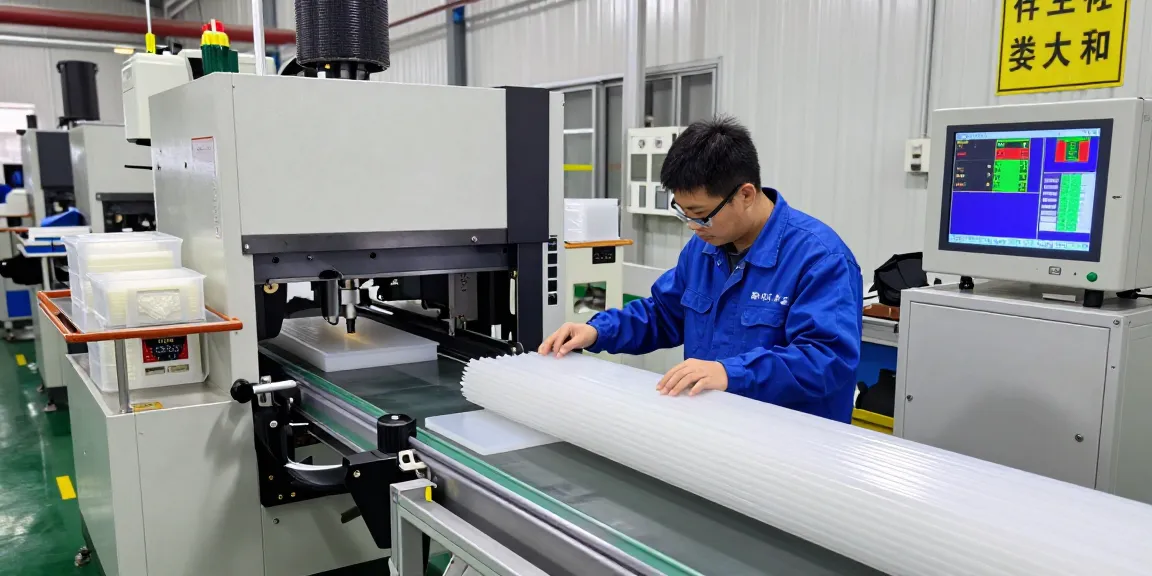
The manufacturing of semi-finished plastic products involves several techniques, including extrusion, molding, and machining. Extrusion is commonly used to create sheets and rods, where plastic is heated and forced through a die to achieve the desired shape. Injection molding allows for precise shaping of components, while machining processes, such as CNC machining, provide fine-tuning to meet exact specifications.
Quality Control Measures for Semi-Finished Products
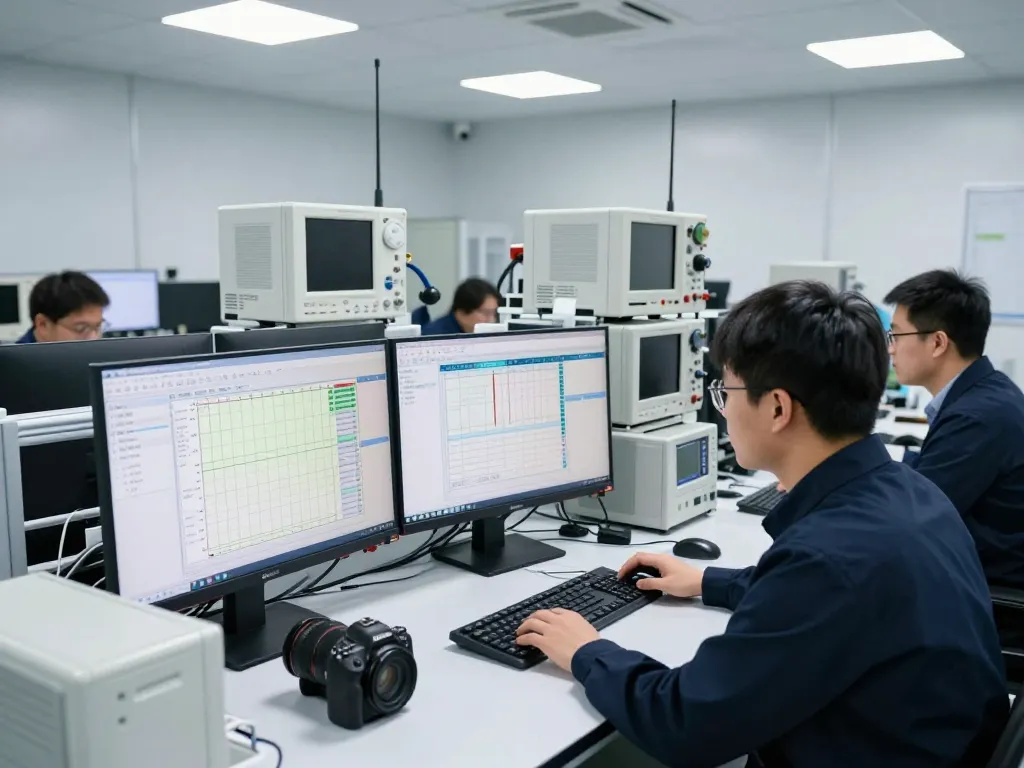
Quality control is critical in ensuring the reliability of semi-finished plastic products. Comprehensive testing methods, including tensile tests, impact resistance tests, and dimensional inspections, are employed to certify that materials meet industry standards and customer specifications.
Innovations in Engineering Plastics Production
Advancements in polymer science have led to innovations in the production of semi-finished plastics. Research focusing on bio-based and recycled materials is gaining traction, providing more sustainable options without compromising performance. Additionally, the incorporation of additive manufacturing technologies allows for greater design flexibility and complexity in plastic components.
Challenges in the Semi-Finished Plastic Market
Common Manufacturing Obstacles
Despite the advantages, the semi-finished plastic market faces challenges, including the high cost of raw materials and competition from alternative materials. Manufacturers must continually innovate to improve processing techniques and reduce costs without compromising quality.
Environmental and Regulatory Considerations
Environmental regulations surrounding plastic production are increasingly stringent. Companies must navigate these regulations while implementing sustainable practices, such as using eco-friendly materials and minimizing waste during production. Compliance with environmental standards not only meets legal requirements but also enhances brand reputation.
Addressing Market Demand and Supply Issues
The demand for semi-finished plastic products is expected to continue rising, driven by advancements in technology and increasing industrial applications. However, supply chain disruptions can lead to material shortages, impacting production timelines. Companies must develop robust supply chain strategies to mitigate these risks.
Future Trends in Semi-Finished Plastics by 2026
Technological Advancements in Material Science
As the industry moves towards 2026, technological advancements are poised to redefine semi-finished plastics. Innovations in material science, such as the development of smart plastics with integrated sensing capabilities, will open up new opportunities across various sectors.
Emerging Applications and Markets
Emerging applications for semi-finished plastics include renewable energy sectors, such as wind turbines and solar panels. Their lightweight and durable characteristics make them suitable for enhancing energy efficiency in these applications.
Sustainability Practices in Plastic Manufacturing
With an increasing focus on sustainability, manufacturers are adopting practices to minimize their environmental footprint. This includes the use of biodegradable plastics and recycling initiatives aimed at reducing plastic waste and promoting a circular economy.
What is the Role of Semi-Finished Plastics in Modern Applications?
Semi-finished plastics are essential in modern manufacturing, providing the necessary materials for creating complex components tailored to specific needs. Their adaptability and performance characteristics enable businesses to innovate and improve product offerings across various industries.
How Do Different Semi-Finished Plastics Compare in Performance?
The performance of semi-finished plastics varies significantly based on material type. For instance, PEEK outperforms MC Nylon in terms of thermal resistance, while MC Nylon may excel in applications requiring lower friction. Understanding these differences is crucial for selecting the right materials for specific applications.
What Are the Best Practices for Manufacturing with Semi-Finished Plastics?
To maximize the efficiency of semi-finished plastic products, manufacturers should implement best practices such as optimizing machining processes, investing in advanced technologies, and ensuring thorough quality control measures are in place. Continuous training for staff on the latest techniques can also enhance production quality.
Which Industries Benefit Most from Semi-Finished Plastic Products?
Industries such as aerospace, automotive, and healthcare significantly benefit from semi-finished plastic products due to their need for high-performance materials that meet stringent standards. The ability of these plastics to perform well under extreme conditions makes them invaluable in these sectors.
What Innovations Are Driving the Future of Semi-Finished Plastics?
Innovations such as 3D printing and the development of advanced composite materials are transforming the landscape of semi-finished plastics. These technologies allow for customization, improved material performance, and reduced waste, further enhancing the appeal of semi-finished products in modern manufacturing.