
DeWalt Band Saw: The Ultimate Tool for Precision Cutting in 2025
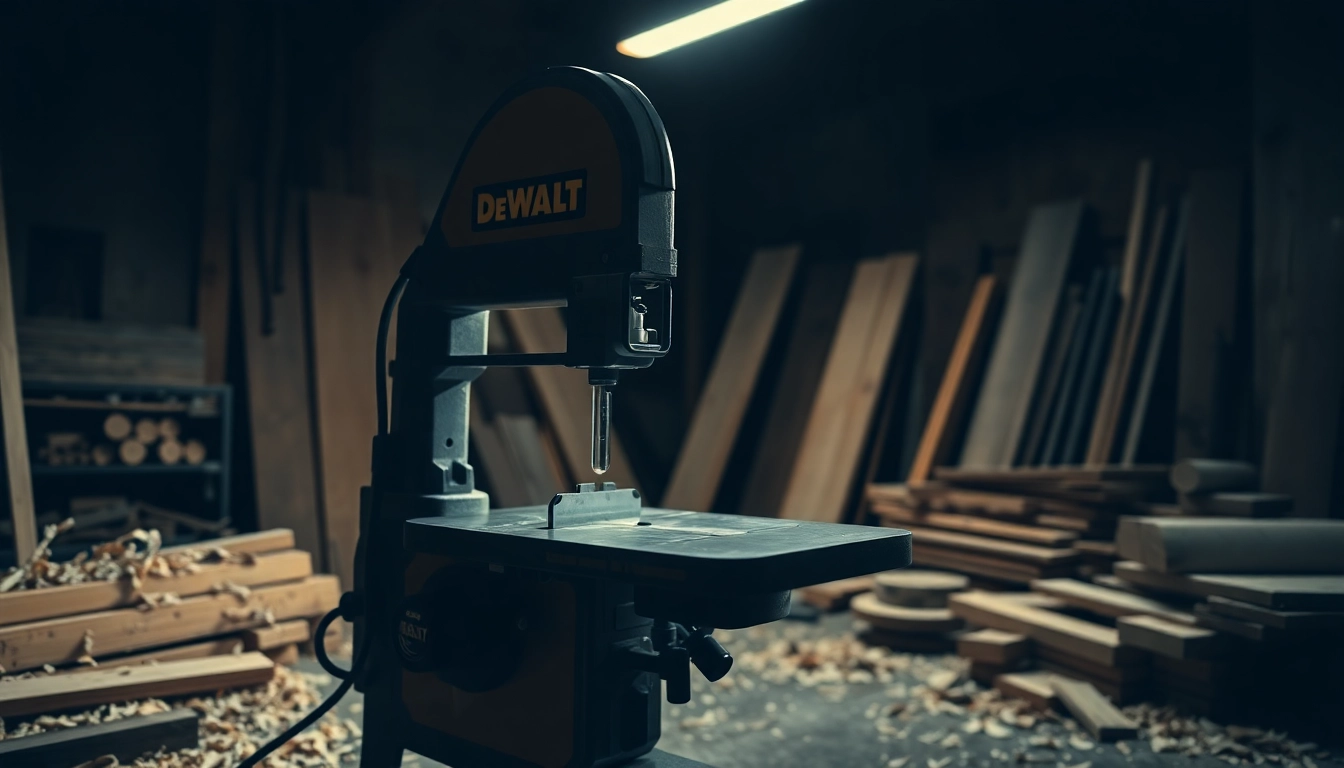
Understanding the DeWalt Band Saw
The DeWalt band saw is a crucial tool for both professional woodworkers and DIY enthusiasts, known for its versatility and precision in cutting various materials. Band saws are designed with a long, continuous blade that allows for clean cuts in both straight and curved shapes. Understanding the key features, applications, and how to choose the right DeWalt band saw for your needs is essential for maximizing effectiveness in your projects.
Key Features of the DeWalt Band Saw
DeWalt has developed a range of band saws that reflect innovation and high standards in craftsmanship. Here are several key features that set DeWalt band saws apart:
- Blade Size and Type: DeWalt band saws typically accommodate different blade sizes, ranging from 1/4 inch to 1 inch, allowing for flexibility in cutting methods.
- Variable Speed Settings: Many models feature variable speed settings, providing users with the ability to adjust the speed depending on the material being cut, delivering optimal results.
- Portability: DeWalt band saws are often lightweight and designed for easy transport, making them suitable for job sites and remote locations.
- Durable Build Quality: Constructed with high-quality materials, these band saws are designed to withstand the rigors of frequent use while maintaining performance reliability.
- Safety Features: Enhanced safety measures, including blade guards and emergency shut-off systems, ensure user safety during operation.
Applications and Uses
The versatility of the DeWalt band saw allows it to be used in various applications, making it an essential tool across different professions:
- Woodworking: Perfect for creating intricate cuts, whether you’re fabricating furniture or crafting decorative pieces.
- Metal Cutting: Many models are equipped to handle metal, allowing for thick and thin materials to be shaped easily.
- Resawing: Efficiently cut thicker pieces of wood into thinner slabs, a common task for lumberyards and woodworking shops.
- Curved Cuts: The flexibility of the band saw blade allows for smooth, precise curved cuts, essential for artistic projects.
How to Choose the Right DeWalt Band Saw
Selecting the appropriate DeWalt band saw requires assessing your specific needs and project requirements. Here are factors to consider:
- Cutting Capacity: Ensure that the band saw can handle the thickness and width of the materials you intend to cut.
- Blade Width: Choose a blade width that best suits the type of cuts you’ll make; wider blades are better for straight cuts, while narrower blades excel at curves.
- Power Rating: Consider the power output, as a higher horsepower rating may be necessary for cutting harder materials.
- Features and Accessories: Evaluate additional features such as laser guides, LED work lights, and dust collection to enhance your cutting experience.
Mastering Techniques with the DeWalt Band Saw
Achieving exceptional results with the DeWalt band saw involves mastering specific techniques. Whether you’re a beginner or looking to improve your skills, understanding cutting techniques is critical.
Basic Cutting Techniques
Starting with the fundamentals is essential for developing solid skills with your DeWalt band saw:
- Setup and Blade Tension: Properly set up your band saw, including blade tension, guides, and tracking, to ensure smooth operation.
- Line Following: Practice following cut lines carefully, using a steady hand to guide the material through the saw, maintaining the blade inside the marked area.
- Feed Rate: Adjust your feed rate according to the material, ensuring you don’t push too fast to avoid blade snags or burns.
Advanced Techniques for Complex Cuts
Once you’ve mastered basic techniques, you can start cutting more complex shapes and angles:
- Compound Angles: Learn how to cut compound angles by setting your material at an angle and adjusting your band saw accordingly.
- Scalloping and Freehand Cuts: Use freehand techniques for artistic cuts, designing unique pieces by not relying purely on templates.
- Utilizing Jigs: Create or use jigs for repetitive cuts and complex patterns that require precision.
Common Mistakes and How to Avoid Them
As with any tool, new users may encounter challenges. Here are frequent mistakes and tips to avoid them:
- Incorrect Blade Choice: Using the wrong blade type or width can lead to poor cuts. Always choose the appropriate blade for your material and cut type.
- Pushing Too Hard: Avoid forcing the material through the blade as it can lead to binding. Instead, let the saw do the work.
- Neglecting Maintenance: Failing to regularly maintain your band saw can result in diminished performance. Follow a routine check to ensure everything is functioning correctly.
Maintenance Tips for Your DeWalt Band Saw
Caring for your DeWalt band saw ensures durability and optimal performance over time. Regular maintenance is key to prolonging its lifespan.
Routine Maintenance Checklist
Establish a regular maintenance schedule to keep your saw in top shape:
- Inspect the blade for damage or dullness and replace it when necessary.
- Check blade tension and tracking; adjust as needed for optimal cutting.
- Clean dust and debris accumulation from the saw and workspace after each use.
- Lubricate moving parts regularly to ensure smooth operation.
Extending the Life of Your DeWalt Band Saw
To extend the life of your DeWalt band saw, implement the following practices:
- Use the saw within its designated limits regarding material thickness and density.
- Store the saw in a dry, clean environment to avoid rust and component wear.
- Regularly review the manufacturer’s recommendations for maintenance and operation.
Signs Your DeWalt Band Saw Needs Repair
Recognizing the signs that your band saw may require repair is crucial. Look for:
- Unusual vibrations or noise during operation.
- Inconsistent cuts or blade tracking issues.
- Frequent stalling or difficulty in running the saw smoothly.
Comparative Advantages of the DeWalt Band Saw
When comparing the DeWalt band saw to competitors, certain advantages help it stand out in performance and utility.
Speed vs. Precision: Finding Balance
The DeWalt band saw strikes a balance between speed and precision, allowing users to quickly cut while maintaining accuracy. This balance is crucial for professionals who need to efficiently complete projects without compromising on quality.
Durability and Reliability Compared to Alternatives
DeWalt band saws are known for their robust construction and reliable performance. Users frequently report longer-lasting blades and fewer mechanical issues compared to alternative brands in the market.
User Feedback and Ratings
Feedback from users consistently highlights the efficiency and effectiveness of the DeWalt band saw. Many customers appreciate its ergonomic design, making it comfortable to use for extended periods, and its customer service support for troubleshooting and parts replacement.
Frequently Asked Questions about the DeWalt Band Saw
What is the ideal material for cutting with a DeWalt Band Saw?
The DeWalt band saw is versatile enough to handle a range of materials, including softwoods, hardwoods, metal, and even certain plastics. It is essential to select the right blade type for each material to achieve the best results.
How do you properly adjust the blade tension on a DeWalt Band Saw?
To adjust the blade tension, locate the tensioning mechanism on your model. Turn the tensioning knob or lever until the gauge indicates the correct tension, referring to the user manual for specific tension recommendations based on the blade width.
What safety precautions should I take with a DeWalt Band Saw?
Vital safety measures include wearing eye protection, using push sticks for narrow cuts, and ensuring that the work area is clear of distractions. Always turn off the saw before making adjustments and keep hands away from the blade path.
Can I use a DeWalt Band Saw for metal cutting?
Yes, certain DeWalt band saws are designed specifically for metal cutting. Ensure you have the appropriate blade for the type of metal you’re working with and adjust the speed setting according to the material.
How often should I change the blade on my DeWalt Band Saw?
The frequency of blade changes depends on usage. Generally, blades should be inspected after every significant project, and replaced when signs of wear or dullness become apparent. Regularly changing the blade ensures optimal cutting performance.
By understanding the fundamentals and nuances of using the DeWalt band saw, users can empower themselves to complete projects with efficiency and precision. For more high-quality tools and accessories, visit Mister Worker.