
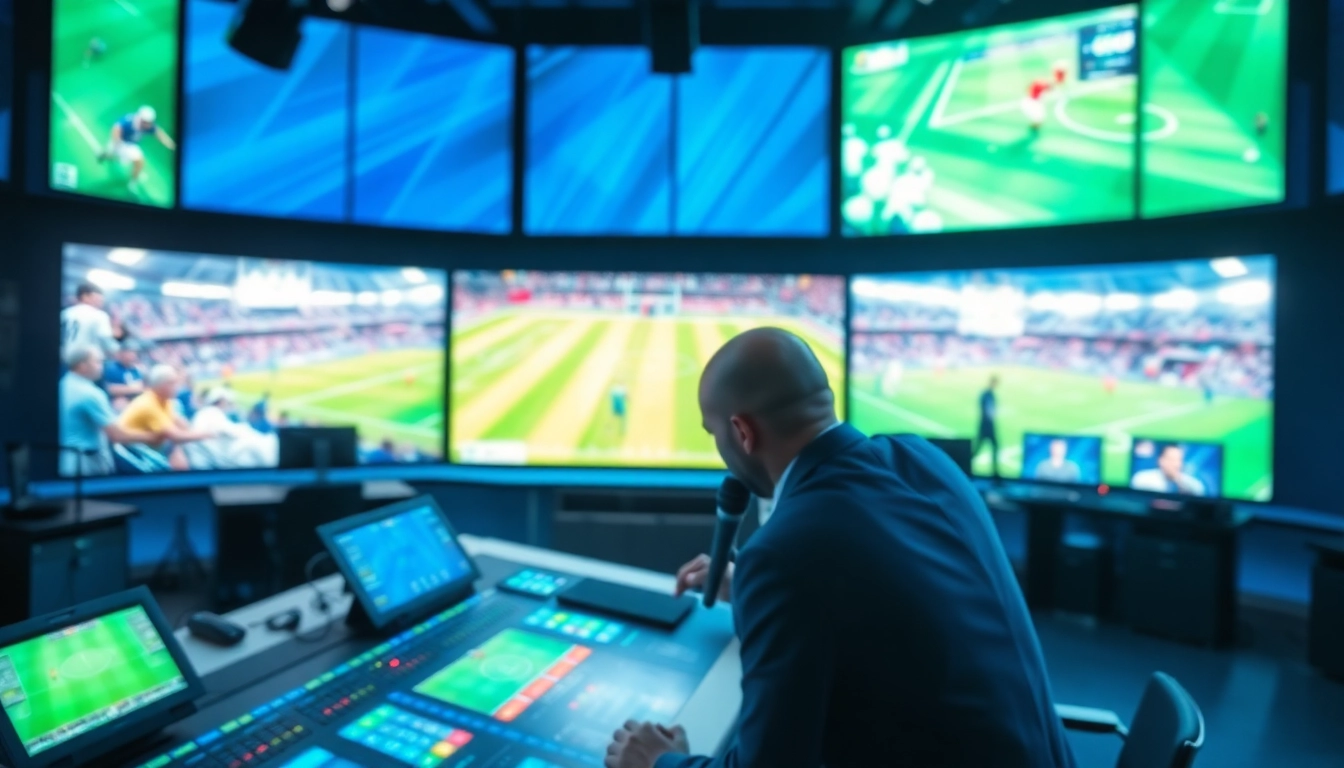
The Evolution of Sports Broadcasting
History and Milestones in Sports Broadcasting
Sports broadcasting has evolved significantly over the past century, transforming the way fans experience their favorite games. From the first radio broadcasts of baseball games in the 1920s to live telecasts of iconic events, each milestone has played a crucial role in shaping the industry. The advent of television in the 1950s revolutionized the landscape, making sports accessible to millions in their homes. The 'game of the week' became a staple, highlighting major matchups and creating a sense of community among viewers. Transitioning into the digital age, the 2000s saw a surge in online streaming platforms, which significantly altered how fans engage with sports. The rise of sports networks dedicated solely to broadcasting allowed for more in-depth coverage, commentary, and analysis.
The Shift to Digital Platforms
In recent years, the shift from traditional broadcasting to digital platforms has been dramatic. With the proliferation of the internet, streaming services have become a viable alternative to cable and satellite television. Viewers now have access to a plethora of sports content anytime, anywhere. Social media platforms have also played an integral role, providing fans with immediate updates, highlights, and interaction with live events. This shift has not only transformed how sports are consumed but has also influenced how broadcasters produce content. Strategies now emphasize engagement and interactivity, catering to a more tech-savvy audience. A comprehensive understanding of Sports Broadcasting trends can provide valuable insight into viewer preferences and innovative approaches to content delivery.
Technological Innovations Impacting Sports Broadcasting
The landscape of sports broadcasting has been enriched by numerous technological innovations. High-definition and 4K broadcasting have enhanced viewer experiences, providing clearer images and more vivid colors. Moreover, the use of drones for aerial shots offers new perspectives of sporting venues, while virtual reality (VR) technology immerses fans in an interactive environment. Additionally, advancements in data analytics allow broadcasters to provide real-time statistics and insights, enhancing the overall viewing experience. Incorporating augmented reality (AR) graphics during match commentary has further engaged audiences, creating a more dynamic presentation of live sports. As these technologies continue to evolve, sports broadcasting will likely transform even further, pushing the boundaries of traditional viewership.
Understanding the Audience in Sports Broadcasting
Demographics of Sports Viewers
Understanding the demographics of sports viewers is essential for broadcasters and marketers alike. Research indicates a diverse audience, spanning various age groups, genders, and geographical locations. Traditionally, sports viewership leaned towards males, particularly in contact sports like football and basketball. However, women's sports are gaining momentum and popularity, leading to a more balanced viewership. Younger audiences prefer digital platforms, while older demographics often favor traditional broadcasts. Tailoring content and advertisements to meet these varying demographics can significantly increase engagement and viewership.
Preferences in Content Consumption
Sports enthusiasts have specific preferences regarding content consumption, which broadcasters must consider. Live streaming of events is increasingly favored, offering flexibility over time-shifted viewing. Highlights, social media snippets, and behind-the-scenes content engage younger audiences accustomed to fast-paced digital interactions. Additionally, in-depth analyses, interviews, and expert commentary play a crucial role in satisfying viewers' desires for knowledge and insight about their favorite teams and athletes. Creating content that caters to these preferences can enhance loyalty and encourage wider audience reach.
Engaging Fans through Interactive Features
Interactive features have redefined the relationship between broadcasters and fans. Live polls during events, interactive chats, and social media integrations make viewers feel involved in the experience. Fantasy sports and betting integrations have also gained popularity, allowing fans to engage analytically during broadcasts. Customizable viewing experiences, where fans can choose camera angles or follow specific storylines, further enhance engagement. Broadcasters who embrace interactive features can create a loyal community of viewers who feel a connection beyond mere observation.
Best Practices in Sports Broadcasting Production
Essential Equipment for High-Quality Broadcasts
To ensure high-quality sports broadcasts, investing in the right equipment is paramount. High-definition cameras coupled with advanced audio equipment form the basis of any professional broadcast. Stabilized platforms such as gimbals and dollies facilitate smooth camera movements, ensuring a captivating viewing experience. Additionally, relying on advanced graphics and overlay technology enhances the storytelling aspect of broadcasts. Integrating real-time data displays and personalized graphics can keep viewers informed and engaged throughout the event.
Scriptwriting and Storytelling Techniques
Effective scriptwriting and storytelling are crucial components of sports broadcasting. A well-crafted narrative can enhance the emotional connection between viewers and the sport. Commentators must prepare engaging scripts that highlight key moments, player backgrounds, and team histories. This requires a deep understanding of the audience's emotional investment. Utilizing storytelling techniques, such as building tension during pivotal moments, can capture viewer attention and deliver a satisfying experience, contributing to viewer retention and satisfaction.
Scheduling and Timing Strategies
Scheduling and timing within sports broadcasting are critical elements affecting viewer engagement. Choosing optimal times for broadcasts ensures a larger audience, and aligning content with major sporting events maximizes viewership. Pre- and post-game shows can enrich the audience experience, offering analysis, interviews, and expert panels that draw viewers in. Creating a calendar with consistent programming instills a habit in viewers and cultivates loyalty over time. Broadcasters must stay attuned to viewer feedback and analytics to adjust schedules and improve ratings.
Challenges in the Sports Broadcasting Landscape
Adapting to Viewer Behavior Changes
One of the foremost challenges in sports broadcasting is adapting to rapid changes in viewer behavior. As consumer habits shift toward on-demand and streaming platforms, traditional broadcasting must find innovative strategies to retain audiences. The competition with popular streaming services demands adaptability. Broadcasters must explore multi-platform strategies, enhancing mobile accessibility and integrating social media for real-time interactions. This constant evolution ensures that they remain relevant and competitive in a saturated market.
Managing Rights and Regulations
Navigating the complex landscape of broadcasting rights and regulations presents another significant challenge. Acquiring rights can be a costly endeavor, often requiring negotiations with multiple stakeholders. Furthermore, understanding the legalities surrounding broadcasting, advertising, and sponsorship can be intricate. Broadcasters must stay informed about existing contracts and evolving regulations to effectively manage their rights. Innovative approaches, such as online-exclusive events and partnerships with OTT platforms, can provide alternative revenue streams while expanding viewership.
Financing and Budgeting for Broadcasts
Financing and budgeting remain critical concerns for sports broadcasters. The costs associated with high-quality production, including equipment, personnel, and post-production analysis can accumulate rapidly. Developing a detailed budget that outlines all financial aspects is essential for sustainable broadcasting operations. Exploring diverse revenue sources, such as subscriptions, advertisements, and sponsorships, can bolster financial stability. Broadcasters must also analyze their expenditure regularly to identify potential savings and enhancements over time.
The Future of Sports Broadcasting
Emerging Trends Shaping the Industry
The future of sports broadcasting is poised for transformation, driven by emerging trends that offer innovative solutions to audience engagement. One notable trend is the rise of personalized content experiences, where analytics and viewer preferences dictate tailored programming. Moreover, esports is gaining substantial traction, with traditional broadcasters beginning to integrate gaming into their scheduling. The interactive capabilities of next-generation broadcasting are also expected to enhance viewer engagement, making the experience more immersive and personalized than ever.
The Role of Augmented Reality in Broadcasting
Augmented reality (AR) is rapidly transitioning from novelty to necessity in sports broadcasting. This technology offers viewers real-time statistics, graphics, and player information superimposed onto live action, enriching the viewing experience. Broadcasters implementing AR can provide unique contexts and insights that elevate the understanding of the game. Furthermore, AR can be utilized in advertising and promotions, creating new marketing opportunities and enhancing fan interaction during broadcasts.
Predictions for Viewer Engagement in 2025
Looking toward 2025, predictions indicate a continued evolution in viewer engagement within sports broadcasting. The integration of AI and machine learning is expected to play a prominent role, providing predictive analytics that enhance live broadcasts with real-time insights. Additionally, enhanced social features will likely allow for more direct viewer interaction during events, fostering a stronger community. As technology continues to advance, sports broadcasting will evolve to create increasingly tailored experiences that resonate with diverse audiences across platforms.
Frequently Asked Questions
1. What is sports broadcasting?
Sports broadcasting involves transmitting live or recorded sports events through various media channels, including television, radio, and online platforms, enabling fans to watch and engage with their favorite sports.
2. How has technology changed sports broadcasting?
Technology has facilitated high-definition broadcasts, streaming services, interactive features, and data analytics in sports broadcasting, enhancing viewer experience and engagement.
3. What are the main challenges in sports broadcasting?
Challenges include adapting to viewer behavior changes, managing broadcasting rights and regulations, and budgeting for high-quality production while ensuring profitability.
4. How important is audience understanding in sports broadcasting?
Understanding audience demographics, preferences, and behaviors is crucial for creating engaging content that resonates with viewers and maximizes engagement.
5. What are the future trends in sports broadcasting?
Future trends include personalized content experiences, increased use of augmented reality, and leveraging AI for predictive analytics, enhancing viewer engagement and satisfaction.