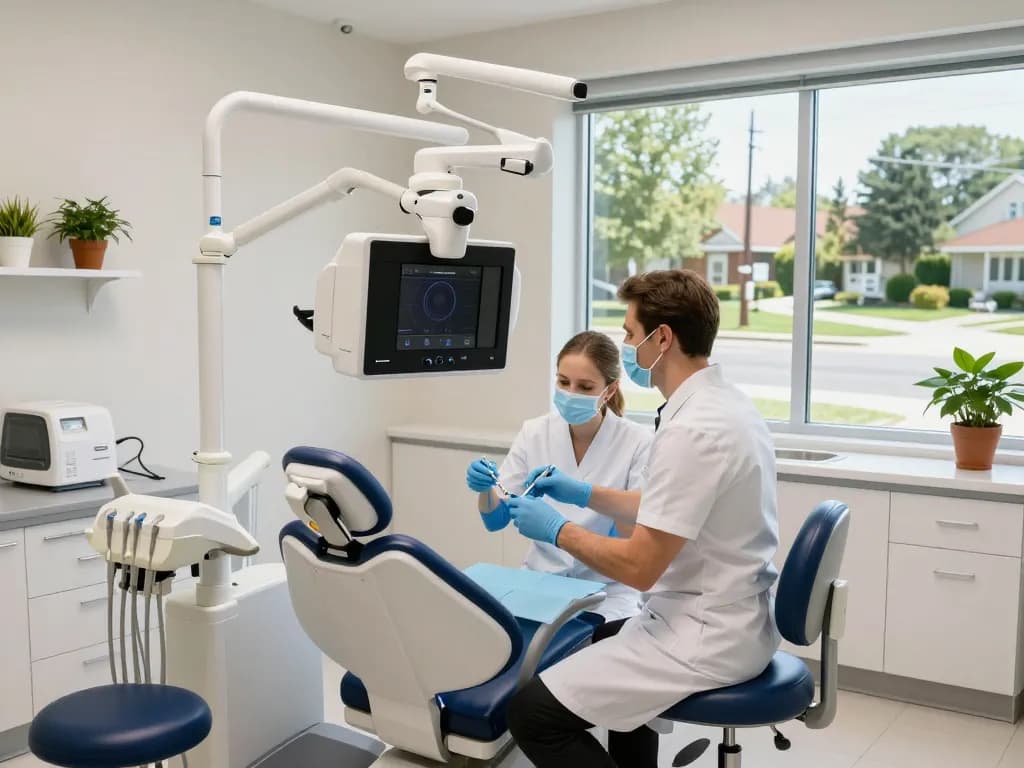
Understanding Modern Dental Equipment
In the rapidly evolving field of dentistry, staying informed about the latest advancements is crucial for practitioners aiming to provide top-notch patient care. A key aspect of modern dentistry revolves around the use of high-quality dental equipment. These tools not only enhance the efficiency of dental procedures but also significantly improve patient outcomes. As dental technology progresses, understanding what constitutes dental equipment, the types available, and their importance becomes essential for any dental practice.
What is Dental Equipment?
Dental equipment encompasses a variety of tools and devices used by dental professionals to diagnose, treat, and maintain oral health. This range includes everything from basic instruments like mirrors and probes to advanced machines such as digital X-ray systems and CAD/CAM technology. The primary function of dental equipment is to facilitate procedures that ensure patient safety, enhance comfort, and achieve successful outcomes.
Types of Dental Equipment Explained
- Basic Instruments: These are essential tools used in almost every dental procedure, including mirrors, scalers, and explorers.
- Diagnostic Equipment: Devices such as X-ray machines and intraoral cameras fall under this category, helping dentists visualize oral structures accurately.
- Treatment Instruments: These include drills, lasers, and surgical tools that are crucial for executing dental procedures.
- Sterilization Equipment: Autoclaves and ultrasonic cleaners ensure that all instruments are thoroughly disinfected, promoting patient safety.
- Dental Chairs and Delivery Systems: Ergonomically designed for patient comfort, modern dental chairs come equipped with features that assist dentists during treatment.
Why Quality Matters in Dental Equipment
The quality of dental equipment directly impacts the level of care that patients receive. High-quality tools are more reliable, precise, and durable, allowing for a smoother workflow in a dental practice. Investing in well-manufactured, reputable brands not only enhances the overall treatment experience but also reduces the likelihood of equipment failure. Moreover, quality dental equipment complies with health regulations, ensuring that the practice meets necessary safety standards.
Choosing the Right Dental Equipment for Your Practice
When it comes to equipping a dental practice, the options can be overwhelming. Understanding your specific needs and the types of equipment available is crucial to making informed decisions.
Assessing Your Practice Needs
Before purchasing dental equipment, conduct a thorough assessment of your practice needs. Consider factors such as the specialties offered, patient demographics, and the volume of patients. For instance, if your practice focuses on cosmetic dentistry, investing in high-quality imaging and laser systems may be more beneficial than standard tools.
Top Brands in Dental Equipment
Several established brands are recognized for their quality and innovation in dental equipment. Companies like Henry Schein, Patterson Dental, and Benco Dental offer a wide range of products that meet the needs of modern dental practices. Each brand typically has its strengths, whether in basic instruments, advanced technology, or support services.
Cost vs. Value in Dental Purchases
When selecting dental equipment, it is important to balance cost with value. While cheaper options may seem appealing, they often compromise on quality and longevity. In contrast, investing in more expensive, high-quality equipment can lead to greater efficiency and better patient outcomes, ultimately providing better value in the long run.
Innovations in Dental Equipment Technology
The dental industry is seeing a surge in technological innovations that are transforming the way dental practices operate. From digital tools to cutting-edge materials, staying abreast of these advancements can give practices a competitive edge.
Emerging Trends in Dental Technology
One significant trend is the increasing utilization of digital dentistry. Technologies such as 3D printing, intraoral scanning, and computer-aided design/computer-aided manufacturing (CAD/CAM) have revolutionized how dental restorations are created, offering faster turnaround times and improved precision.
Benefits of Digital Dentistry
Digital technologies not only streamline workflows but also enhance patient experience. For example, digital impressions are often more comfortable for patients and lead to improved accuracy in fitting restorations, which can significantly reduce the need for adjustments. Additionally, the integration of digital tools allows for better communication with patients regarding diagnosis and treatment plans.
How Technology Improves Patient Care
Advanced dental equipment enhances patient care significantly. Technologies such as laser dentistry reduce discomfort and recovery time, while digital diagnostics improve the accuracy of treatments. Furthermore, patient education can be enhanced through visual aids and simulations, enabling patients to better understand their treatment options.
Best Practices for Maintaining Dental Equipment
Proper maintenance of dental equipment is essential to ensure longevity and performance. Implementing a routine maintenance schedule can minimize downtime and reduce repair costs.
Regular Maintenance Tips for Longevity
- Daily Cleaning: Wipe down surfaces and sterile instruments every day to prevent cross-contamination.
- Calibration Checks: Regularly check the calibration of diagnostic equipment to ensure accuracy.
- Professional Servicing: Schedule professional servicing for complex equipment at least once a year.
Common Issues and Troubleshooting
Understanding common issues that may arise with dental equipment—and how to address them—can save time and resources. For example, if a dental chair is not functioning properly, it may stem from electrical issues, which should be diagnosed by a professional. Keeping a troubleshooting guide handy can assist staff in addressing minor issues swiftly.
Documentation and Compliance Standards
Maintaining accurate records of equipment maintenance and repairs is crucial for compliance with health regulations. Documentation can serve as proof of diligence in maintaining safety standards, which is important during audits and inspections.
Future of Dental Equipment: Trends for 2026 and Beyond
As we look towards the future, the dental equipment landscape is set to evolve significantly. Understanding upcoming trends can prepare practices for changes that will shape the industry.
Predicted Advancements in Dental Technology
By 2026, we can expect advancements in artificial intelligence (AI) integration within dental practices. AI tools will enhance diagnostics and treatment plan development, helping dentists make more informed decisions. Furthermore, the use of augmented reality (AR) in education and practice may provide immersive experiences for training new dental professionals.
The Role of AI in Dental Practices
The potential for AI to transform dental practices is profound. Tools that analyze patient data and suggest treatment options based on previous case studies will streamline processes and improve patient care. AI-powered imaging systems will offer more precise diagnostics, reducing the time taken for assessments and enhancing treatment accuracy.
Preparing for Future Changes in Dentistry
To remain competitive, dental practices should focus on continual learning and adaptability. Staying informed about technological advancements through training and professional development will be key to successfully integrating new tools and methods into practice.
What are the essential tools in a dentist's office?
Essential tools in a dentist's office typically include basic instruments like mirrors and explorers, as well as treatment tools like handpieces and lasers. These items are crucial for day-to-day operations and patient care.
How often should dental equipment be serviced?
Dental equipment should be serviced at least annually, though some equipment may require more frequent checks depending on its use and complexity. Regular servicing ensures that tools remain in optimal condition, preventing unexpected breakdowns.
What are the latest innovations in dental equipment?
Recent innovations include digital impression systems, 3D printing for dental prostheses, and minimally invasive laser technologies. These advancements are aimed at improving accuracy, enhancing patient comfort, and speeding up treatment times.
Why is investing in quality dental equipment important?
Investing in quality dental equipment is vital for ensuring reliable performance, patient safety, and compliance with regulation standards. High-quality tools enhance the efficacy of treatments and improve overall patient satisfaction.
How can I choose the best dental supplies for my clinic?
Choosing the best dental supplies involves assessing your practice's specific needs, researching reputable brands, and considering both the cost and long-term value of the equipment. Networking with other professionals and reading reviews can also guide informed purchasing decisions.