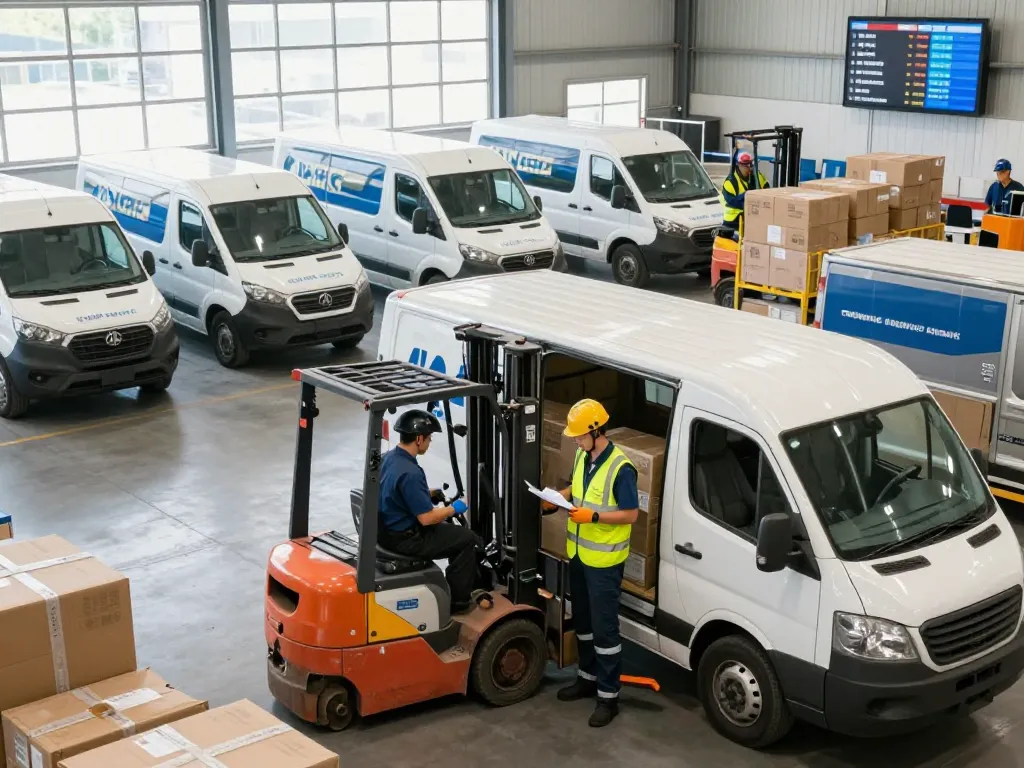
Understanding the Importance of Time-Critical Transport
Time-critical transport is a crucial aspect of logistics that ensures the seamless movement of goods essential for various industries. As businesses evolve and embrace just-in-time delivery models, understanding the significance of quick, reliable transport solutions becomes paramount. Operators like Bennison Transport specialize in providing express logistics that are not only swift but also safe, operating 24/7 to meet the diverse demands of clients across the UK and Europe. When exploring options, Transport solutions that prioritize quick turnarounds can significantly enhance operational efficiency.
What Is Time-Critical Transport?
Time-critical transport refers to logistics services where the delivery speed is paramount. Unlike standard transport services that may offer scheduled deliveries, time-critical solutions prioritize rapid collection and distribution, tailored to meet the strict deadlines set by clients. This kind of service is essential for industries where delays can result in significant financial losses, such as manufacturing, healthcare, and e-commerce.
Benefits of 24/7 Transport Operations
The ability to operate around the clock is one of the key advantages of time-critical transport services. Companies like Bennison Transport provide 24/7 operations, allowing businesses to respond immediately to urgent needs, regardless of time. This includes:
- Increased Flexibility: Businesses can adapt to changing demands and last-minute requests.
- Improved Customer Satisfaction: Timely deliveries enhance customer trust and loyalty.
- Competitive Edge: Companies that can deliver faster gain an advantage over competitors.
Common Misconceptions About Transport Services
Despite the clear benefits, there are several common misconceptions about time-critical transport services that can hinder businesses from fully utilizing these solutions. These include:
- Cost: Many believe that express transport is prohibitively expensive. However, the cost can be justified by the time saved and the potential revenue generated.
- Reliability: Some think that faster services compromise reliability, but in fact, established transport companies often have stringent protocols to ensure safe and timely deliveries.
- Limited Availability: The assumption that express services are only offered in major cities can be misleading; many providers cover extensive regions, including rural areas.
Evaluating Transport Solutions for Your Business
Choosing the right transport provider is critical to maintaining operational efficiency. Businesses should evaluate various transport solutions based on specific criteria to find a fit that meets their needs.
Key Factors to Consider When Choosing a Transport Provider
When selecting a transport provider, consider the following factors:
- Experience: Look for providers with proven track records in time-critical transport.
- Vehicle Capabilities: Ensure the provider has a fleet that meets your specific logistics needs.
- Technology Integration: Assess whether the provider employs technology for tracking and communication.
How to Assess Transport Vehicle Capabilities
The capabilities of a transport fleet can greatly influence the efficiency of deliveries. Evaluate vehicle types, sizes, and tracking technologies. Consider whether the fleet includes:
- Small vans for urban deliveries
- Medium to large trucks for bulk goods
- Specialized vehicles for fragile or hazardous materials
Real-World Case Studies of Effective Transport Solutions
Examining successful transport solutions can provide insight into effective practices. For instance, Bennison Transport successfully handled an urgent delivery of machinery from Newcastle to Stockport, showcasing how quick response times can ensure business continuity.
Best Practices for Ensuring Safe and Efficient Transport
To maintain high standards of safety and efficiency in transport, companies should implement best practices that focus on quality and technology.
Implementing Quality Control Measures in Transport Logistics
Quality control is critical in transport logistics to ensure that goods are delivered not only on time but in perfect condition. This can include:
- Regular maintenance of vehicles
- Driver training programs on safe driving practices
- Quality checks before loading and upon delivery
Utilizing Technology for Enhanced Transport Tracking
Modern transport logistics rely heavily on technology for tracking shipments. Real-time tracking systems allow businesses to monitor their goods, providing peace of mind and enabling proactive communication with clients.
Training Drivers for Safety and Efficiency
Drivers are the backbone of transport services; thus, investing in their training is essential. Training programs should cover:
- Safe driving techniques
- Handling specialized equipment or sensitive goods
- Effective communication skills for client interactions
Future Trends in the Transport Industry
The transport industry is evolving, and staying ahead of emerging trends can significantly benefit companies. Here are some future trends to watch:
Impact of Electric and Autonomous Vehicles on Transport
The rise of electric and autonomous vehicles could transform logistics by reducing operational costs and carbon footprints. As more transport companies adopt these technologies, businesses will need to reassess their logistics strategies.
Emerging Technologies in Logistics and Their Benefits
Technologies like AI, predictive analytics, and IoT are reshaping logistics. These innovations can lead to:
- Enhanced route optimization
- Improved inventory management
- Reduced transit times and costs
Predictions for Transport Services in 2026 and Beyond
By 2026, transport services are expected to emphasize sustainability and efficiency. Businesses that adapt to changing consumer expectations and technological advancements will likely maintain a competitive edge.
Getting Started: Requesting a Quote for Transport Services
Once you've identified your transport needs, the next step is to request quotes from potential providers. This is crucial for making informed decisions.
Steps to Request a Quote from Your Transport Provider
Follow these steps to effectively request a quote:
- Prepare details about your shipment, including weight, dimensions, and special handling requirements.
- Contact multiple providers to compare quotes and services.
- Inquire about their experience with similar shipments.
What Information to Include for Accurate Quotes
To receive accurate quotes, be sure to include:
- Pickup and delivery locations
- Type of goods being transported
- Any time constraints or special instructions
Understanding Pricing Models in Transport Services
Understanding pricing models is essential to gauge the total cost of transport services. Be aware of:
- Flat rates versus variable pricing based on distance and size
- Additional fees for expedited services
- Potential discounts for regular shipping contracts
How Can Transport Help Your Business?
Effective transport solutions can streamline operations, reduce costs, and improve customer satisfaction. Businesses that embrace efficient transport strategies can achieve significant competitive advantages.
Is 24/7 Transport Worth the Investment?
The investment in 24/7 transport services can yield substantial returns. While the initial costs may be higher, timely deliveries can enhance client trust and lead to repeat business.
What Safety Measures Should I Expect from Transport Companies?
Reliable transport companies should enforce stringent safety measures such as:
- Regular vehicle maintenance and inspections
- Driver background checks and training
- Insurance coverage for all shipments
How to Choose Between Local and National Transport Providers?
When deciding between local and national providers, consider:
- Your specific transport needs and geographic coverage.
- The provider's reputation and customer feedback.
- Cost differences and the value of local expertise versus national reach.
What Should I Do If My Shipment Is Delayed?
If your shipment is delayed, it's crucial to maintain open communication with your transport provider. They should offer tracking updates and alternative solutions to mitigate the impact of the delay.
Are There Specialized Transport Services for Unique Goods?
Yes, many transport companies offer specialized services for unique or sensitive goods, such as temperature-controlled vehicles for perishables or secure transport for valuable items. Discussing your specific needs with providers will ensure you receive the best possible service.