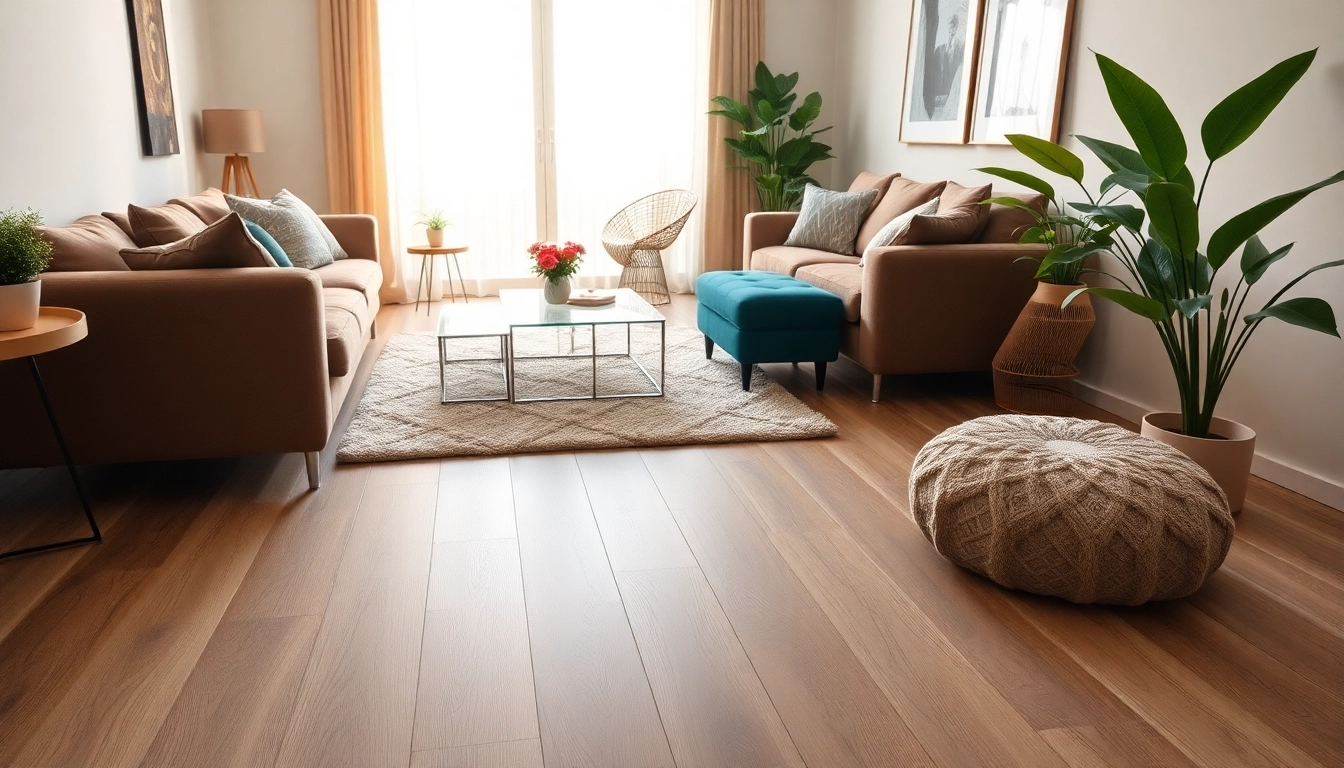
The Benefits of Vinyl Plank Flooring
Durability and Longevity
One of the standout attributes of vinyl plank flooring is its exceptional durability. Constructed to withstand the rigors of daily wear and tear, this flooring can endure heavy foot traffic, making it an ideal choice for families and busy households. While some natural materials may dent or scratch easily, vinyl planks are resistant to damage, ensuring they maintain their aesthetic appeal for years. Many manufacturers offer warranties ranging from 10 to 25 years, emphasizing confidence in the product's longevity, particularly when properly maintained.
Affordability Compared to Other Flooring Options
Cost is a crucial factor for many homeowners when selecting flooring. Vinyl plank flooring is often significantly more affordable than hardwood, tile, or stone alternatives. This economical choice does not compromise on style or performance, as modern vinyl can closely mimic natural materials. By opting for vinyl, you can create a high-end look without the associated price tag. Additionally, the installation costs tend to be lower due to the ease of handling this material, making it a budget-friendly option for renovations or new builds.
Easy Maintenance and Cleaning
Maintenance is straightforward with vinyl plank flooring. Its moisture-resistant properties make it less prone to mold and mildew buildup, and a simple routine of sweeping and mopping is usually sufficient to keep it looking its best. Unlike other flooring materials that might require specialized cleaning products, vinyl can be maintained using common household cleaners, providing a hassle-free cleaning experience. This low-maintenance nature is particularly advantageous for those with busy lifestyles or families with pets who may bring dirt and spills into the home.
Design Choices for Vinyl Plank Flooring
Color and Texture Variations
Vinyl plank flooring offers an extensive array of color and texture options, making it versatile enough for any design aesthetic. Whether you seek the look of rustic oak, sleek walnut, or trendy gray tones, there's a vinyl plank that fits your vision. Textural elements also play a role, with many manufacturers creating styles that replicate the grain and feel of genuine wood, enhancing realism further. This variety allows homeowners to tailor their space to reflect personal style without sacrificing functionality.
Style Compatibility with Home Decor
Vinyl plank flooring seamlessly integrates with diverse interior design styles. From contemporary to traditional, its versatility lends itself to various themes. For example, light-colored planks can brighten a modern minimalistic space, while darker tones can complement more classic decor. The adaptability of vinyl allows homeowners to effortlessly switch up their design with minimal impact, making it a smart choice for those who may want to refresh their interiors periodically.
Trends in Vinyl Plank Flooring Designs
Current trends in vinyl plank flooring lean towards wider planks and mixed media designs, which incorporate different textures and patterns. Many homeowners are gravitating towards the aesthetic of reclaimed wood, giving a rustic feel to modern spaces. Additionally, eco-friendly options made from recycled materials are on the rise, appealing to environmentally conscious consumers. By staying updated on design trends, homeowners can choose flooring that enhances their property's value while reflecting contemporary tastes.
Installation Process of Vinyl Plank Flooring
Preparing Your Space
Before embarking on the installation of vinyl plank flooring, it's vital to prepare your space adequately. This preparation includes removing existing flooring, ensuring the subfloor is clean and smooth, and assessing for moisture issues, which can affect adhesive properties. Additionally, acclimating vinyl planks to the room's temperature and humidity for 48 hours before installation is crucial for optimal performance. These steps ensure that the final product adheres well and appears visually appealing.
Step-by-Step Installation Guide
The installation of vinyl plank flooring can often be completed by DIY enthusiasts, thanks to its straightforward process. Here’s a step-by-step guide:
- Gather Supplies: Get the necessary tools—measuring tape, utility knife, straight edge, adhesive (if required), and spacers.
- Measure the Space: Measure the area where the planks will be installed to calculate how many planks are needed.
- Lay the Underlayment: If your vinyl requires underlayment, roll it out and cut to fit before laying the planks.
- Install Planks: Start in the corner and work your way across, ensuring to stagger joints for strength and aesthetics.
- Finishing Touches: Once laid, install baseboards or molding to cover edges and provide a finished look.
Common Installation Mistakes to Avoid
While installing vinyl plank flooring is quite manageable, some common mistakes can hinder the finished result. One such mistake is neglecting to ensure the subfloor is level, which can lead to uneven surfaces that affect durability. Another frequent error is choosing the wrong adhesive for the specific type of vinyl, risking lifting and damage. Finally, not allowing the planks to acclimate can lead to expansion or contraction post-installation, which can warp the planks. By acknowledging these pitfalls, homeowners can take preventative measures to ensure a successful installation.
Cost Considerations for Vinyl Plank Flooring
Assessing Your Budget
Determining a budget for your vinyl plank flooring project is essential for a successful renovation. Consideration should be given not only to the cost of materials but also to installation expenses, as hiring professionals can significantly increase overall spending. However, with the option to install the planks yourself, considerable savings can be achieved. Additionally, it’s wise to budget for potential underlayment or flooring removal, as these factors can influence total costs.
Understanding Labor and Material Costs
Material costs for vinyl plank flooring largely depend on the quality, thickness, and design. On average, homeowners can expect to spend anywhere from $2 to $7 per square foot for the planks alone. Labor costs vary based on location and the complexity of the project, but generally range from $1 to $3 per square foot for professional installation. By knowing these costs in advance, homeowners can make informed decisions about their flooring investments.
Long-term Savings with Vinyl Flooring
Investing in vinyl plank flooring can lead to long-term savings through its durability and low maintenance requirements. Unlike other flooring options that may require refinishing or extensive care, vinyl maintains its appearance with minimal effort. Additionally, its resistance to stains and moisture reduces the likelihood of needing repairs or replacements over time, making it a financially sound choice for many homeowners. Considering these factors can further enhance the appeal of vinyl plank flooring in the long run.
FAQs About Vinyl Plank Flooring
What is vinyl plank flooring?
Vinyl plank flooring is a type of resilient flooring that mimics the appearance of natural materials, such as hardwood or stone, while offering durability and moisture resistance.
Can vinyl plank flooring be installed in wet areas?
Yes, vinyl plank flooring is highly moisture-resistant, making it suitable for areas like bathrooms and kitchens, provided it's installed correctly.
How do I clean vinyl plank flooring?
Cleaning vinyl plank flooring is simple; regular sweeping followed by damp mopping with a mild cleaner is generally sufficient to maintain its appearance.
What are the differences between vinyl plank and laminate flooring?
While both mimic natural surfaces, vinyl plank flooring offers better moisture resistance and is generally more durable than laminate flooring.
How long does vinyl plank flooring last?
When properly maintained, vinyl plank flooring can last between 10 to 25 years, depending on the quality of the product and installation.