Understanding the Benefits of Shower Doors Sliding
As more homeowners seek to optimize their bathroom spaces, shower doors sliding have emerged as a favored choice. They not only enhance functionality but also inject a touch of elegance into bathroom decor. This section delves into the myriad benefits that shower doors sliding offer, making them a pragmatic solution for modern bathrooms.
Space Saving Solutions for Small Bathrooms
One of the most compelling advantages of shower doors sliding is their space-saving feature. Traditional swinging doors require a significant amount of clearance to open, which can be problematic in smaller bathrooms where every inch counts. Shower doors sliding, on the other hand, slide along a track and require no extra space to swing open. This design allows for a seamless flow of movement within the bathroom and can make even the tiniest spaces feel more expansive.
Aesthetic Enhancements with Shower Doors Sliding
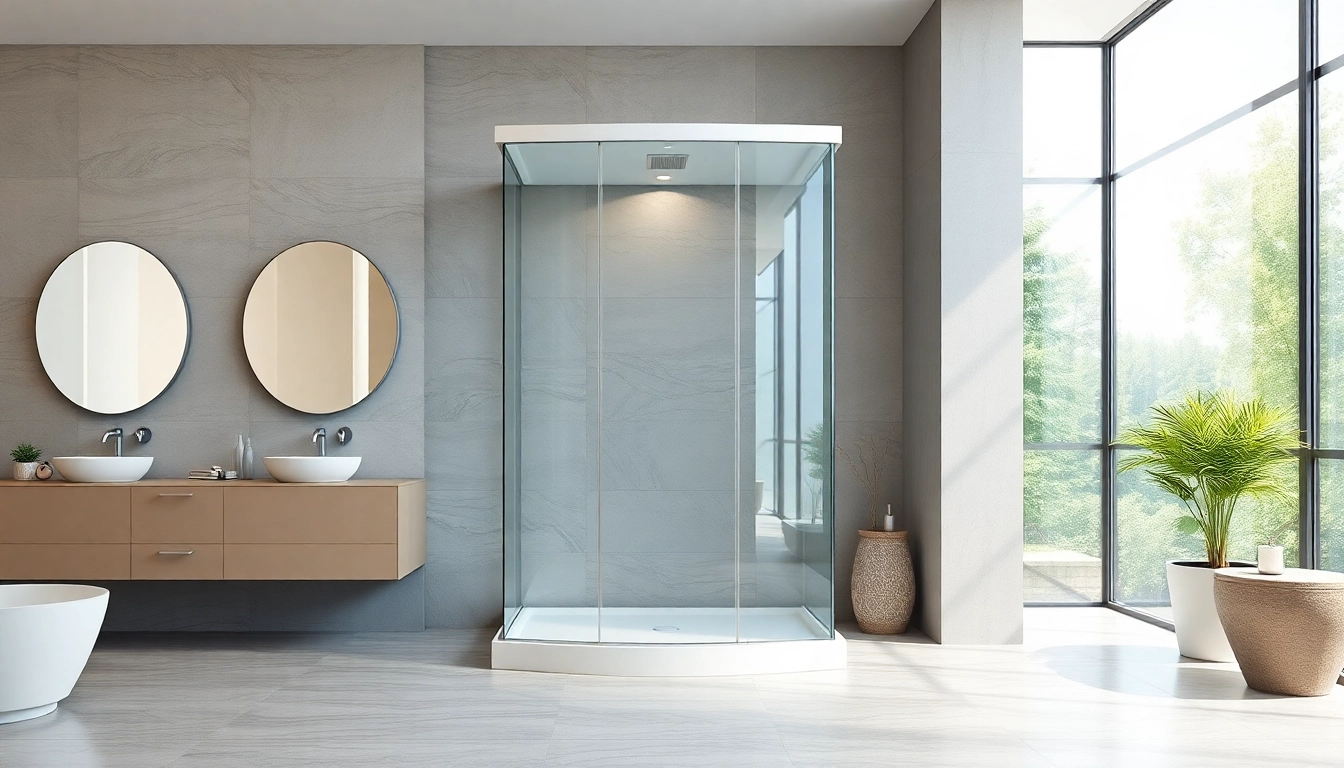
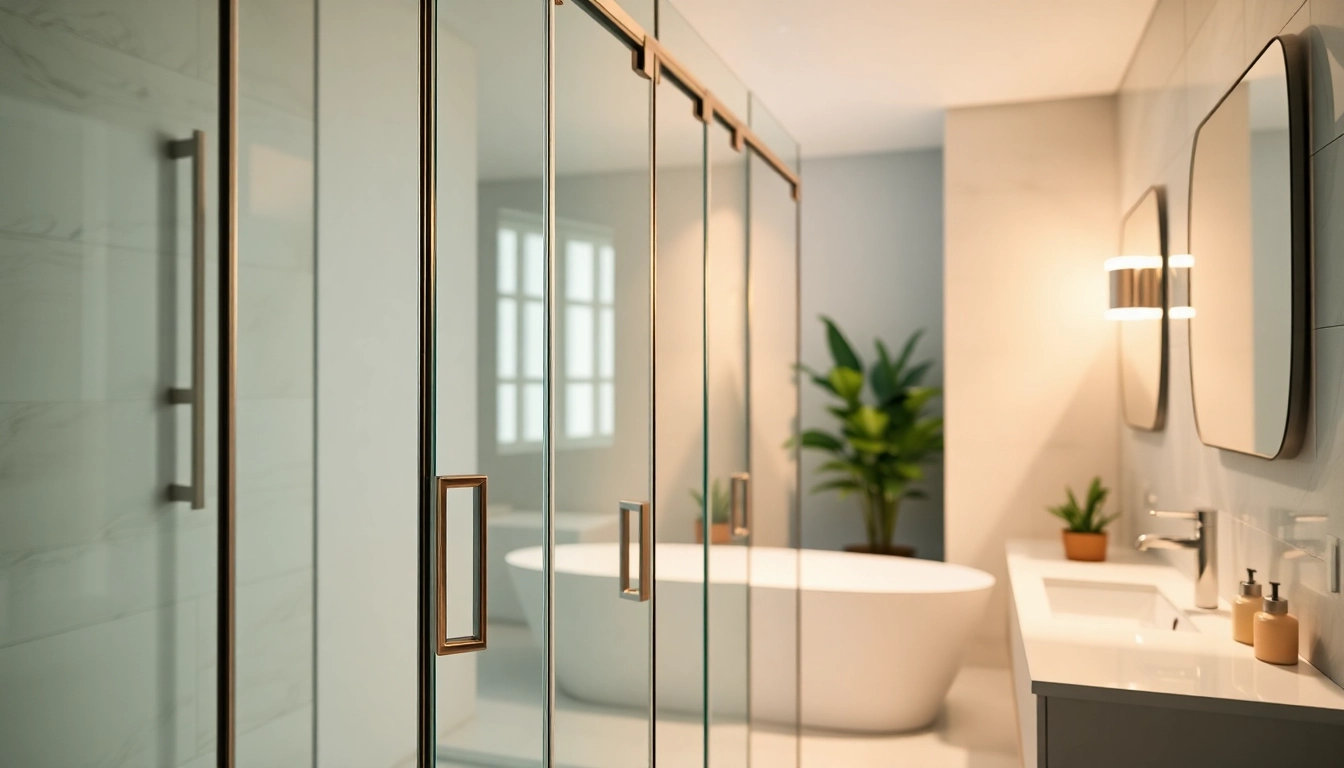
In addition to their functional benefits, shower doors sliding serve as a stylish focal point in bathroom design. Available in various styles, colors, and finishes, these doors can complement any decor theme—from contemporary minimalism to classic elegance. Clear glass options contribute to an open, airy feel, while frosted variations can create a sense of privacy without compromising on light. Furthermore, decorative hardware adds an additional layer of customization that can enhance the overall aesthetic appeal of your bathroom.
Ease of Use and Accessibility Features
Shower doors sliding are designed with user-friendliness in mind. They slide smoothly along tracks, which makes them easier to open and close, especially for users with mobility challenges. In contrast to hinged doors that sometimes pose a challenge for elderly individuals or those with disabilities, shower doors sliding are a more accessible option. This ease of operation allows everyone to enjoy a comfortable and safe bathing experience.
Popular Materials for Shower Doors Sliding
When considering shower doors sliding, the materials used can significantly affect appearance, durability, and maintenance. Various options exist, each with unique properties that can influence your choice. Below, we discuss the most popular material options available on the market.
Glass vs. Acrylic: Which is Right for You?
Glass and acrylic are the two most common materials used for shower doors sliding. Glass doors lend a luxurious and timeless look, enhancing the overall bathroom's elegance. They are available in both tempered and laminated forms, offering durability and safety. On the other hand, acrylic doors are lightweight, resistant to shattering, and often more affordable. Ultimately, the decision between glass and acrylic will depend on personal preference, budget, and the desired aesthetic for your bathroom.
Durability and Maintenance Considerations
Durability is a vital factor when selecting shower doors sliding. Glass doors, particularly tempered glass, can withstand significant impacts compared to their acrylic counterparts. However, glass is more susceptible to water stains and requires more frequent cleaning to maintain clarity. Acrylic doors, while durable, can scratch more easily. Regular cleaning with a gentle non-abrasive cleaner will help both types maintain their condition, but homeowners should weigh the maintenance needs against their lifestyles when making a choice.
Comparing Framed vs. Frameless Designs
Framed shower doors sliding typically feature metal frames that provide structural support. This design can offer added durability and is often less expensive. However, they can also appear bulkier and detract from a minimalist design. Conversely, frameless alternatives provide a sleek and modern aesthetic, making the bathroom appear larger. While they can be more expensive due to the manufacturing processes involved, the visual benefits often justify the investment for many homeowners.
Installation Process of Shower Doors Sliding
The installation of shower doors sliding can appear straightforward, but proper planning and execution are crucial for achieving optimal results. This section will guide you through the steps involved in the installation process, focusing on both DIY and professional approaches.
DIY vs. Professional Installation Tips
For handy homeowners, installing shower doors sliding can be a rewarding DIY project. Follow the manufacturer’s instructions closely, take precise measurements, and have the necessary tools on hand, such as a level, drill, and screwdriver. If you lack confidence in your skills, opting for professional installation may provide peace of mind. Skilled installers will ensure that all components are securely fitted and that the doors operate smoothly from the get-go.
Common Mistakes to Avoid When Installing
Common pitfalls during installation include failing to measure accurately, improperly aligning the tracks, and neglecting to check for level. Unforeseen issues can arise if these mistakes are made, leading to doors that don’t shut properly or leak. Take your time, read through instructions carefully, and consider consulting online tutorials if you are attempting the installation yourself.
Tools and Materials Needed for Installation
Before embarking on your installation project, gather essential tools such as a drill, screwdriver (flathead and Phillips), level, measuring tape, and a caulking gun. Additionally, ensure you have all necessary materials, including the shower doors sliding, tracks, screws, and waterproof silicone sealant. Having everything on hand will streamline the process and reduce delays.
Maintenance Tips for Shower Doors Sliding
To ensure that your shower doors sliding remain in prime condition and continue to enhance your bathroom, regular maintenance is key. This section outlines effective maintenance tips and common issues you may encounter.
Cleaning Techniques for Longevity
Regular cleaning not only preserves the aesthetic of shower doors sliding but also extends their lifespan. For glass doors, use a quality glass cleaner and microfiber cloth to avoid scratches. For acrylic doors, a gentle soap solution can effectively break down soap scum and mineral deposits. It’s advisable to wipe down the doors after each use to minimize buildup and keep cleaning efforts manageable.
Addressing Common Issues with Shower Doors Sliding
Common issues may include difficulty in sliding or gaps that result in water leakage. If your doors stick, check the tracks and lubricate them as needed. For gaps, ensure the seals are intact; if not, replace them to prevent water from escaping the shower area. Regular checks can help identify these issues early and save you costly repairs.
When to Seek Professional Help for Repairs
If you encounter significant problems such as broken glass or persistent leaks that cannot be addressed through simple repairs, it’s time to consult a professional. Expert assistance can ensure that repairs are safely completed and that your shower doors sliding function as intended, avoiding further damage.
Frequently Asked Questions About Shower Doors Sliding
How do I choose the right size for my shower doors sliding?
Measure the width and height of your shower opening to determine the appropriate door size. Keep in mind the space required for installation and ensure the door can slide freely.
Are shower doors sliding easy to clean?
Yes, shower doors sliding can be easy to clean if maintained regularly. Use a quality cleaner specific to the material and wipe them down after each use to prevent buildup.
What features should I look for in quality shower doors sliding?
Quality features include tempered or laminated glass for safety, durable tracks, smooth sliding mechanisms, and effective seals to prevent leaks. Look for products with warranties for reliability.
Can shower doors sliding improve my bathroom's resale value?
Yes, modern and stylish shower doors sliding can enhance your bathroom's aesthetic appeal, making it more attractive to potential buyers and potentially increasing your home's resale value.
How do I prevent water leakage with shower doors sliding?
Ensure that the seals are intact and correctly installed. Regular maintenance and cleaning will also prevent leaks by ensuring a tight fit around the shower area.