
Crafting Timeless Elegance in Cape Cod Homes
Understanding the Charm of Cape Cod Homes
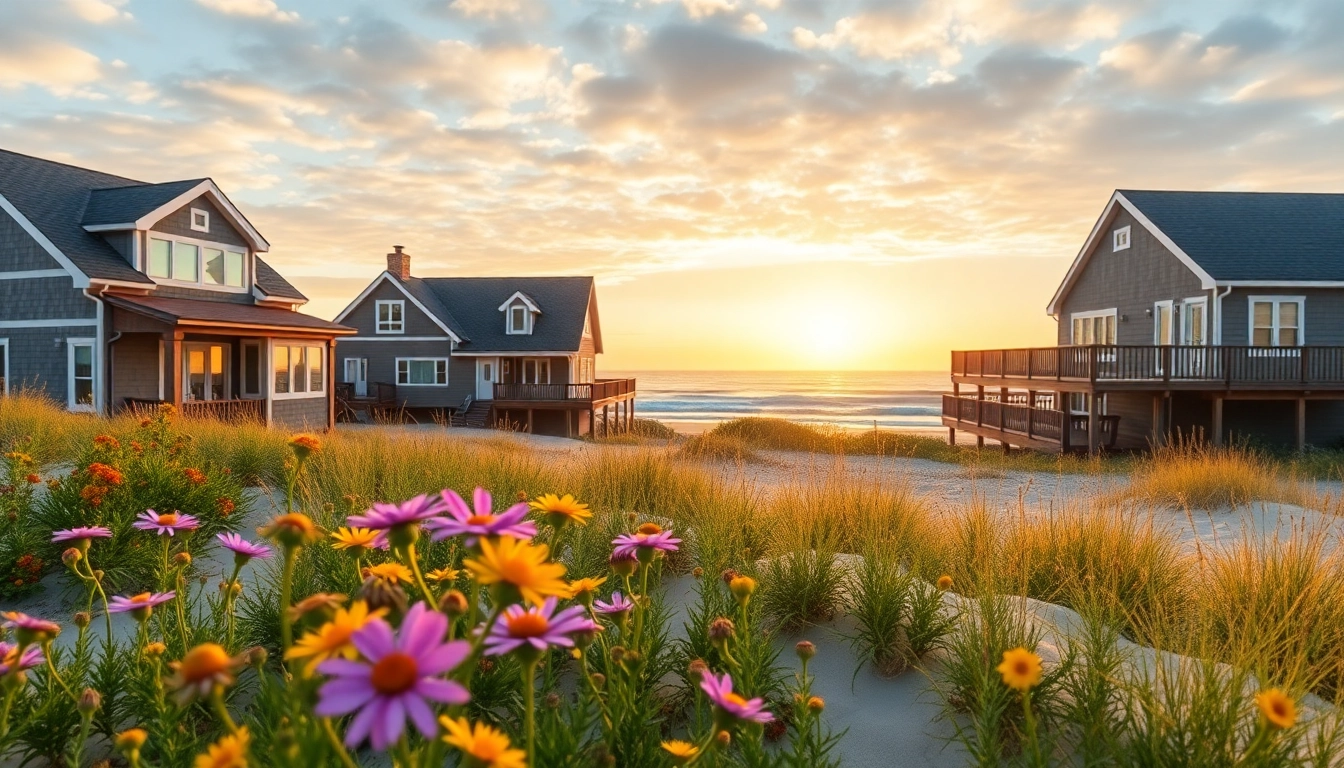
The allure of cape cod homes transcends generations, captivating homeowners and architects alike. With their iconic design rooted in history and their adaptability to modern trends, these homes have become synonymous with coastal charm and timeless elegance. In this article, we will dive deep into what defines a Cape Cod home, exploring its historical significance, architectural elements, and the modern twists that continue to keep this style relevant in today’s market.
Historical Significance of Cape Cod Homes
Originating in the 17th century, Cape Cod homes were designed primarily for the harsh New England winters. These structures were characterized by a steep roof for snow drainage, a symmetrical front, and a simple rectangular shape. The design was practical, allowing for efficient heating and shelter against the elements while also providing a robust framework that could be easily constructed with local materials — primarily wood. The historical significance of these homes lies in their reflection of colonial American life, showcasing early settlers’ resourcefulness and adaptability.
Architectural Elements of Cape Cod Homes
Cape Cod homes embody specific architectural features that enhance their charm and functionality. Key characteristics include:
- Steeply Pitched Roofs: These roofs not only facilitate snow removal but also provide a distinctive silhouette against the skyline.
- Dormer Windows: Often found on the upper floor, dormers increase natural light and living space in the roof, making these homes more practical.
- Symmetrical Facade: The front is typically centered around a front door, flaunting balanced windows that create a harmonious appearance.
- Wide Wood Siding: Traditionally constructed with clapboard, wide siding enhances durability while lending a rustic appeal.
Modern Twists on Traditional Cape Cod Design
In the contemporary era, many homeowners are incorporating modern influences into the traditional Cape Cod style. This can include:
- Open Floor Plans: Unlike the closed-off designs of the past, modern Cape Cod homes often embrace open spaces for communal living.
- Sustainable Materials: Ecologically conscious choices, such as reclaimed wood or factory-finished siding, maintain authenticity while promoting environmental responsibility.
- Smart Home Features: From automated lighting to energy-efficient appliances, technology is seamlessly integrated, enhancing comfort and efficiency.
Materials and Construction Techniques in Cape Cod Homes
The choice of materials and construction techniques plays a crucial role in defining the integrity and aesthetics of Cape Cod homes. Understanding sustainable practices can enhance not only the home’s lifespan but also its environmental footprint.
Choosing Sustainable Materials
In an era where sustainability is more important than ever, selecting eco-friendly materials is essential. Options such as bamboo flooring, recycled metal roofing, and low-VOC paints can create beautiful and healthy living environments. Furthermore, sourcing materials locally reduces the carbon footprint associated with transportation, supporting local economies and preserving the regional aesthetic.
Common Construction Practices
Traditional construction methods emphasize durability and efficiency. Builders often utilize platform framing, which simplifies the building process while still allowing for increased insulation and energy efficiency. Innovations such as modular construction and the use of prefabricated walls are becoming more prevalent, enhancing speed without compromising quality.
Insulation and Energy Efficiency
Insulation is a critical aspect of maintaining comfortable temperatures in any home. Cape Cod homes typically utilize materials such as fiberglass or cellulose for effective insulation, ensuring energy efficiency. Additionally, innovative techniques such as spray foam insulation are gaining popularity for their superior coverage and performance, helping to lower heating and cooling costs over time.
Designing Interior Spaces in Cape Cod Homes
The interior spaces of a Cape Cod home should reflect both comfort and style, embodying the essence of coastal living. Thoughtful design choices can create a serene sanctuary away from the hustle and bustle.
Coastal-Inspired Color Palettes
Color choice plays a pivotal role in the ambiance of any space. Coastal-inspired palettes—think soft blues, sandy beiges, and sunny yellows—evoke tranquility and echo the natural surroundings. Paint colors can be complemented with natural wood finishes to create warmth and depth throughout the home.
Maximizing Natural Light
Natural light is a hallmark of Cape Cod homes. To enhance this feature, large windows, skylights, and open spaces should be prioritized. Strategic placement of mirrors and light-colored furnishings can also amplify the effect of natural light in the interior design.
Functional and Stylish Furnishings
When selecting furnishings for a Cape Cod home, it is essential to strike a balance between functionality and aesthetic appeal. Incorporating nautical elements, such as wicker furniture or soft, durable fabrics, can enhance the coastal theme while ensuring the interiors remain practical for everyday use.
Landscaping and Outdoor Areas for Cape Cod Homes
Outdoor spaces are an extension of the home, providing opportunities for relaxation, entertaining, and enjoying the beauty of nature. Thoughtful landscaping and outdoor design can elevate the overall feel of Cape Cod homes.
Native Plants and Green Spaces
Utilizing native plants not only supports the local ecosystem but also ensures an easy-to-maintain landscape. Plants such as beach grass, sumac, and holly can thrive in coastal climates, offering color and texture throughout the seasons. Incorporating green spaces like gardens or small, manicured lawns can further enhance outdoor enjoyment.
Creating Inviting Patios and Decks
Patios and outdoor decks provide perfect spaces for entertaining or unwinding. Using sustainable materials like composite decking can offer a durable and attractive surface that withstands the elements. Design considerations should incorporate elements like outdoor kitchens, fire pits, and ample seating to create inviting environments.
Incorporating Water Features
Water features such as fountains, ponds, or swimming pools can add an element of tranquility to outdoor areas. Not only do these features enhance visual appeal, but they also contribute to a peaceful ambiance, making the outdoor spaces more inviting. Additionally, sustainable practices such as rainwater harvesting systems can further enhance eco-friendliness.
FAQs About Cape Cod Homes
What defines a Cape Cod home?
A Cape Cod home is typically one to one-and-a-half stories, featuring a steeply pitched roof, symmetrical facade, dormer windows, and wood siding, embodying coastal charm and function.
How do I maintain a Cape Cod home?
Maintenance involves regular inspections of the roof, siding, and windows, along with upkeep of the landscaping. Painting or staining wood every few years can preserve its beauty.
Are Cape Cod homes energy-efficient?
Yes, Cape Cod homes can be energy-efficient with proper insulation, high-quality windows, and energy-efficient heating systems, helping reduce overall energy costs.
What’s the ideal location for Cape Cod homes?
While originally designed for coastal areas, Cape Cod homes are versatile. Ideal locations include beach communities, lakesides, or any picturesque setting showcasing natural beauty.
Can I customize a Cape Cod home design?
Absolutely! Many architects offer customizable designs, integrating modern features while maintaining the traditional charm characteristic of Cape Cod homes.